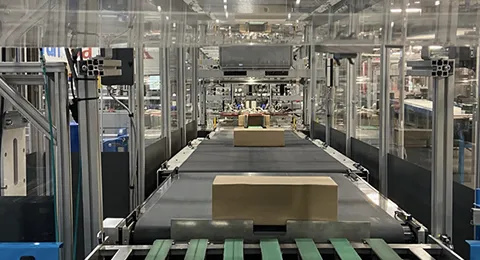
Automated Plastic Parts Packing System Driven by Robotics & Intelligent drive

An Industry 4.0-ready packaging system integrating robotics, CCD vision, smart labeling, sealing, and palletizing. The line provides stable output, real-time traceability, and end-to-end automation—ideal for manufacturers seeking efficiency, consistency, and long-term cost reduction.

What is Plastic Parts Packaging System?

The Automated Plastic Parts Packaging System is a fully integrated, Industry 4.0-ready production line designed to maximize efficiency, precision, and reliability in packaging diverse plastic components. Combining advanced robotics, vision inspection (CCD), automated cartoning, labeling, and palletizing, the system delivers seamless, end-to-end automation from parts dispensing to transport-ready pallets.

This solution supports multiple line configurations—A, B, and C lines—allowing manufacturers to handle various packaging requirements, from bulk loose parts to bagged or boxed products. Vision inspection systems at multiple stages ensure defective or misaligned parts are automatically detected and removed, guaranteeing consistent product quality.

With robotic handling, real-time labeling, strapping, and automated stretch wrapping, the system minimizes manual intervention, reduces labor dependency, and improves overall throughput. Integrated data tracking and digital management capabilities enable real-time traceability, predictive maintenance, and seamless ERP/WMS integration, providing manufacturers with a fully intelligent, flexible, and future-proof packaging solution.

books packaging line

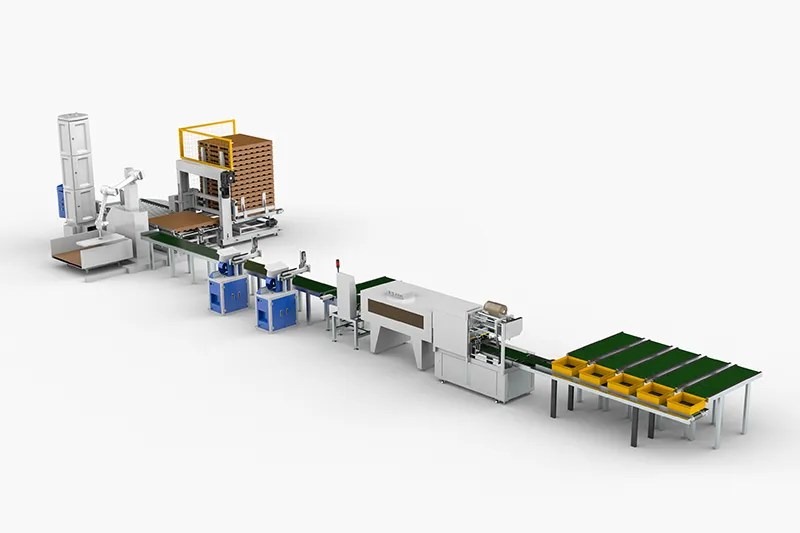
FPlastic parts packing production line Solution Components

Introduction

A line
1.Parts dispenser: Dispense the plastic parts.
2.CCD: Vision inspection system
3.Auto flipping belt: Through the double- layer belt to flipped the plastic parts.
4.CCD: Vision inspection system
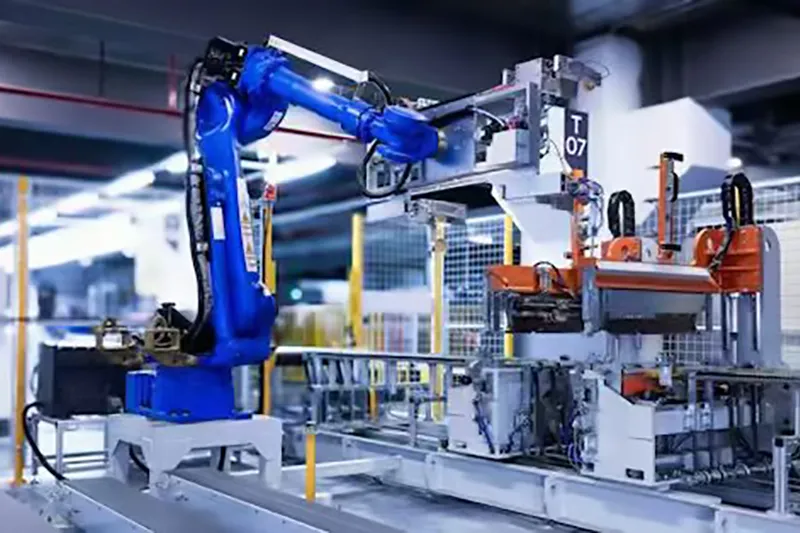
5.Spider robot: Cartoning the parts.
6.Strapping machine: A mechanical device used to applystraps, typically made of plastic or metal.
7.Case erector: It essentially transforms flat box blanks into usable containers, often using tape or glue to seal the bottom .
8.Case packer: A machine used in automated packaging lines to group and load products into shipping cases.
9.Box sealing machine: Automate the entire carton sealing process, from carton erection to flap folding and sealing.
10.Real-time print and labeling machine: Print the label in real time and affix it to the box
11. Pallet dispenser.
12.Palletizing robot: An automated robotic system used to stack products onto pallets, typically at the end of a production line.
13.Auto stretch wrap machine:An automated robotic system used to stack products onto pallets.

B line
1.Bowl feeder: Automatically take randomly sorted bulk parts and orient them into a single file line for use in assembly.
2.CCD: Vision inspection system
3.Case erector: It essentially transforms flat box blanks into usable containers, often using tape or glue to seal the bottom .
4.Bagging machine: Automatically insert the product into the bag and seal it.
5.Case packer: A machine used in automated packaging lines to group and load products into shipping cases.
6.Box sealing: machine: Automate the entire carton sealing process, from carton erection to flap folding and sealing.
7. Pallet dispenser.
8.Palletizing robot: An automated robotic system used to stack products onto pallets, typically at the end of a production line.
9.Auto stretch wrap machine:An automated robotic system used to stack products onto pallets.

C line same as A line

Trends and Global Necessity

The global manufacturing landscape is rapidly shifting toward Industry 4.0, driven by robotics, IoT, and AI-enabled systems. For plastic parts manufacturers, automated packaging solutions have become essential to meet increasing demands for efficiency, quality, and traceability. Several critical trends underscore the necessity of adopting advanced, end-to-end automated packaging lines.

Rising Labor Costs

Unsustainable increases in manufacturing labor costs—averaging 5% to 8% annually—serve as a primary driver for automation. By replacing manual, repetitive tasks with efficient packaging machinery, companies can significantly reduce overheads while ensuring long-term cost-effectiveness. This strategic investment in automatic packaging lines provides a proven ROI by addressing one of the most volatile and significant operational expenses in modern business.

Diverse Customer Demands

Plastic components often require varied packaging formats to support multiple SKUs, customized orders, or e-commerce fulfillment. Modular automated lines enable rapid changeovers, ensuring agile responses to varying product sizes, quantities, and packaging specifications.

Quality & Traceability

Plastic parts are prone to misalignment, missing pieces, or surface defects. Integrated CCD vision inspection systems and real-time labeling provide end-to-end traceability, automatically detecting defects and ensuring only compliant products are packaged.
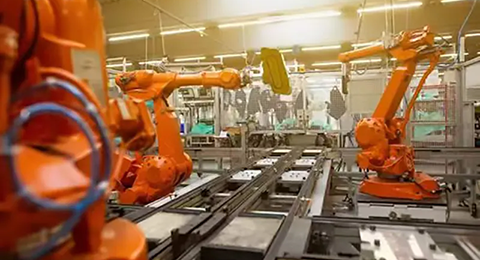
Smart Factory Integration

Smart packaging lines allow real-time monitoring, predictive maintenance, and digital process management. Data-driven insights optimize material usage, reduce waste, and enable manufacturers to respond proactively to disruptions, creating resilient production environments.
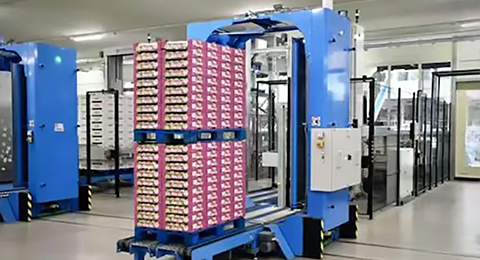
Workplace Safety

Manual handling of small parts and repetitive packing increases injury risk. Automated systems with robotics, conveyors, and palletizers reduce human strain, enhance safety, and create a more sustainable operation.
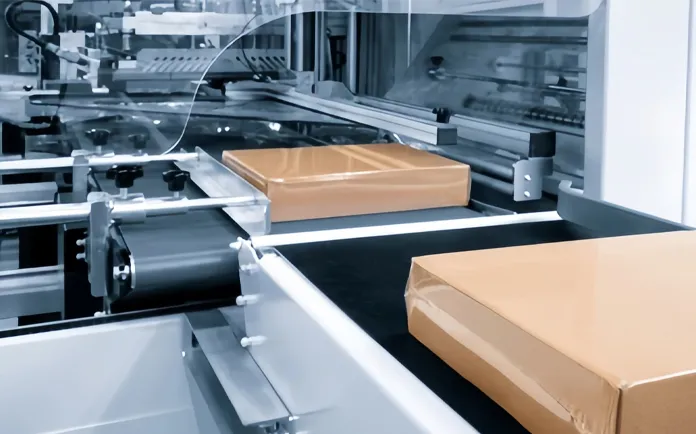
Benefits of Plastic Parts Packaging Line

Adopting an automated Plastic Parts Packaging Line offers multiple advantages that enhance efficiency, reduce costs, and ensure consistent product quality.

Superior Book Protection

Higher Efficiency

Automated conveyors, robotic handling, and integrated feeding systems accelerate the entire packaging process, reducing cycle times and increasing throughput for high-volume production.

Improved Accuracy

Vision inspection (CCD) and robotic placement ensure precise part handling and packaging, minimizing errors and avoiding missing or misaligned components.

Maximum Operational Efficiency
Flexible & Rapid Production Changeovers

Consistent Quality

Multiple inspection points and automated assembly guarantee uniform packaging quality, protecting products from damage and maintaining customer satisfaction.

Flexible Operations

Modular design allows the line to adapt quickly to different part sizes, packaging formats, and order requirements, supporting both bulk and custom packaging needs.

Seamless End-to-End Automation
Cutting-Edge Technology for Future-Proofing​

Cost Reduction

By reducing manual labor and minimizing waste, the system optimizes operational costs and material usage, providing a measurable return on investment.

Real-Time Traceability

Integrated labeling and data tracking enable end-to-end product traceability, supporting ERP/WMS integration and compliance with quality standards.

Why Choose Joyda?

Industry 4.0 Ready

Our packaging systems integrate AI-driven robotics and digital monitoring, reducing labor and cost while boosting overall operational efficiency.

Turnkey Lines & Flexible Options

Choose complete packaging lines or single machines, tailored to your product size, format, and production requirements.

Fast Response & Support

Experienced engineers and consultants deliver proposals quickly and provide end-to-end support, including installation, training, and ongoing maintenance.

Integrated Manufacturing

With in-house factories and proprietary software teams, Joyda seamlessly combines mechanical engineering with automation control and real-time digital management.

Proven Global Experience

Applied across multiple industries worldwide, our solutions are trusted for reliability, efficiency, and quality consistency.

Everything You Need in One Location

From design to software integration, Joyda provides a one-stop solution—one partner, one process, one result.

FAQ

The line supports a wide range of shapes, sizes, and materials, including loose bulk parts, bagged components, and boxed assemblies.

Multiple CCD vision inspection points detect misaligned or defective parts, preventing them from entering the packaging workflow.

Yes, modular design allows rapid changeovers between bulk, bagged, or boxed packaging, adapting to different SKUs and order sizes.

From parts dispensing to robotic cartoning, sealing, labeling, palletizing, and stretch wrapping, the system offers end-to-end automation, minimizing manual intervention.

Yes, it includes real-time data tracking and labeling for seamless integration with existing ERP/WMS systems, supporting traceability and production monitoring.

Automation reduces cycle times, eliminates repetitive manual tasks, and increases throughput, allowing manufacturers to handle high-volume orders reliably.

Robotic handling, conveyors, and palletizing minimize human interaction, reducing workplace injuries associated with repetitive tasks or heavy lifting.

Absolutely. Joyda offers tailored solutions for different part sizes, quantities, packaging styles, and facility layouts.

Joyda provides installation, training, troubleshooting, and ongoing technical support, ensuring continuous high-performance operation.

By reducing labor costs, minimizing errors, optimizing material use, and increasing throughput, manufacturers typically see significant ROI within a short operational period.

Get Quick Response

Share your needs with us, We’ll contact you in very short time.