For decades, automation in the egg packaging industry focused solely on mechanical speed. However, as facilities scale, operating high-speed machinery in digital isolation creates massive data blind spots, leading to untracked material waste, delayed maintenance, and compromised traceability. Modern egg producers must transition from isolated mechanical operations to data-driven production networks. This article explains why enterprise resource planning (ERP) integration has become the critical digital backbone for end-of-line packaging, helping technical buyers evaluate software architecture, traceability features, and Industry 4.0 readiness when selecting automation partners.
Table of Contents
- The Shift from Isolated Machines to Connected Packaging Systems
- Core Technical Capabilities of an ERP-Integrated Egg Packing Line
- Achieving End-to-End Traceability and Regulatory Compliance
- Predictive Maintenance and Equipment Utilization
- Technical Comparison: Native Software Integration vs. Third-Party Customization
- Application Scenarios: Matching Software to Manufacturing Environments
- Selection Criteria for Intelligent Packaging Automation
- Conclusion and Final Recommendations
1. The Shift from Isolated Machines to Connected Packaging Systems
Integrating an egg packing line with an ERP system is necessary because it transforms isolated mechanical workstations into a synchronized, data-driven production ecosystem that automatically aligns packaging output with enterprise scheduling.
Historically, automated machines like carton erectors and robotic loaders operated via localized Programmable Logic Controllers (PLCs) that did not communicate with the wider factory network. When a line went down or material ran short, plant managers only discovered the discrepancy after the shift ended.
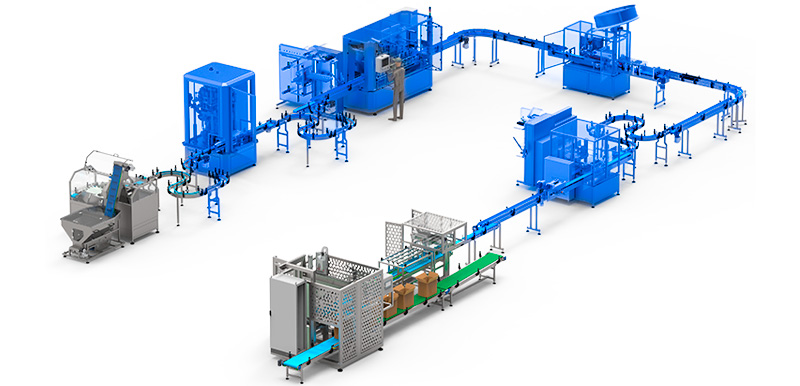
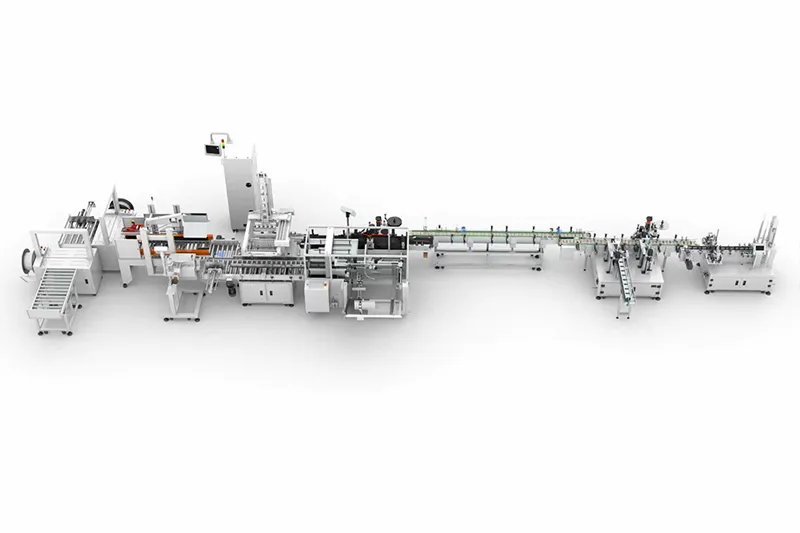
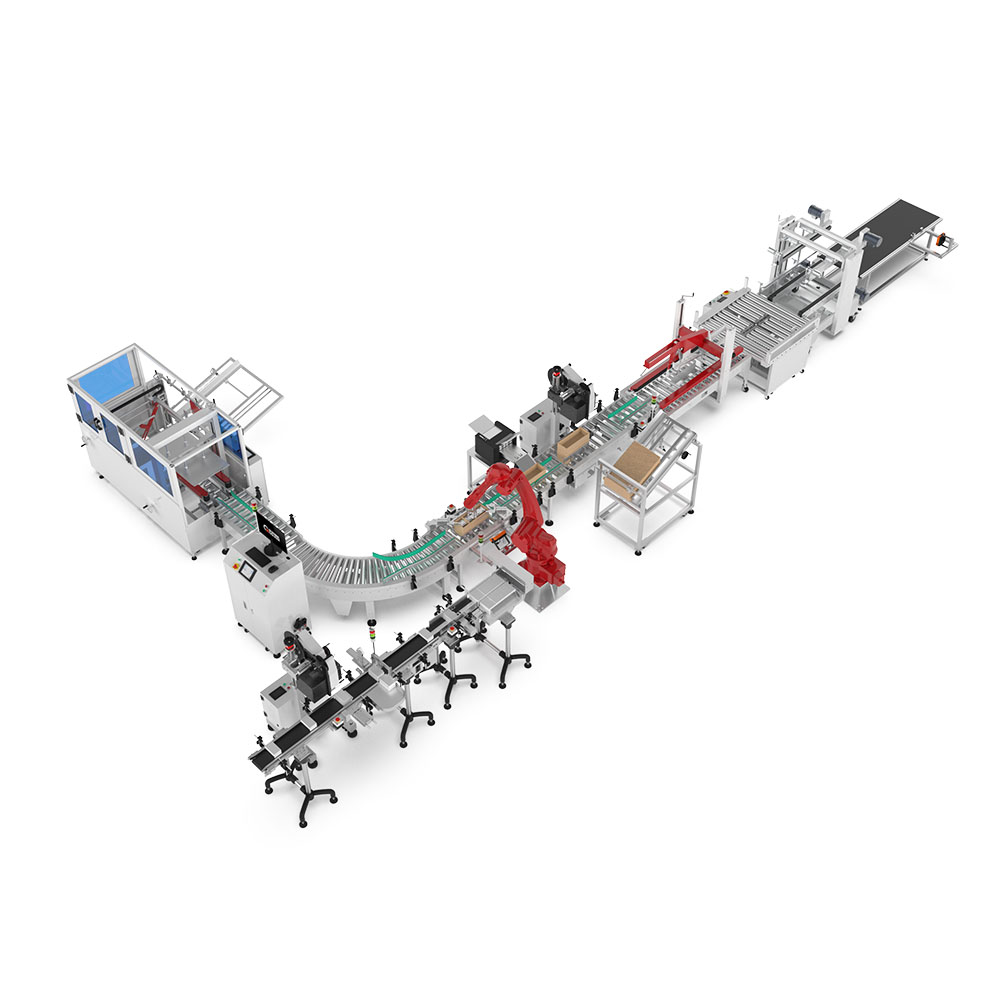
In a modern smart factory, the physical packaging processes—carton erection, bottom sponge placement, robotic egg loading, top sponge placement, sealing, labeling, and palletizing—must be digitally linked. By establishing an automated egg packing production line that communicates continuously with upstream egg grading systems and downstream warehouse logistics, production managers gain real-time visibility into equipment status, instantaneous output metrics, and precise material consumption. This connectivity eliminates the lag between the shop floor and the executive suite, allowing for agile, data-backed operational decisions.
2. Core Technical Capabilities of an ERP-Integrated Egg Packing Line
An ERP-integrated egg packaging system requires bilateral data exchange capabilities, allowing the machine to pull production orders directly from the enterprise network while pushing real-time performance metrics back to central management.
True ERP integration goes beyond simply installing a touch screen on a machine. It involves a sophisticated data architecture where the packaging line’s control software interacts with the factory’s Manufacturing Execution System (MES) and ERP.
Key technical capabilities of a fully integrated system include:
- Automated Order Management: The packaging line automatically configures its robotic handling parameters and label printers based on the daily production schedule downloaded from the ERP, eliminating manual changeover errors.
- Real-Time Production Dashboards: Line supervisors can view live Overall Equipment Effectiveness (OEE) metrics, identifying micro-stops, robotic cell efficiency, and exact throughput rates.
- Synchronized Upstream Integration: The line communicates with egg grading machines to adjust robotic picking speeds dynamically based on the volume of graded eggs entering the system, preventing bottlenecks or empty packaging cycles.
- Automated Labeling Synchronization: As carton sealing occurs, the integrated software pulls exact batch numbers, expiration dates, and grading data from the ERP to print highly accurate, compliant labels in real time.
3. Achieving End-to-End Traceability and Regulatory Compliance
ERP integration is vital for food safety compliance because it establishes an unbroken digital thread from the initial egg grading process through automated labeling and final robotic palletizing.
In the food and beverage sector, product recalls are financially devastating. Manual record-keeping or disjointed machine data makes tracing a specific batch of eggs nearly impossible once they leave the facility.
When an intelligent egg packing production line is connected to an ERP system, every action is logged. As the robot loads the eggs and the carton is sealed, the software generates a unique identifier. This data—including the time of packing, the specific grading batch, the origin farm, and the exact pallet it was loaded onto—is instantly uploaded to the enterprise database. If a quality issue arises, factory managers can perform a targeted recall of specific cartons rather than scrapping an entire day’s production.
4. Predictive Maintenance and Equipment Utilization
Integrating packaging hardware with central ERP platforms enables predictive maintenance by aggregating machine fault codes and sensor data, significantly reducing unexpected mechanical downtime.
Without data integration, maintenance teams rely on reactive repairs (fixing a machine after it breaks) or rigid preventative schedules (replacing parts that may still have operational life).
An ERP-integrated control system continuously monitors the health of the line’s critical components. For example, if a vacuum generator on the carton erector begins drawing more current than normal, or a robotic servo motor experiences increased torque resistance, the proprietary control software logs this anomaly. The system then automatically triggers an alert in the ERP’s maintenance module before a catastrophic failure occurs. This proactive approach ensures high equipment utilization and protects the continuous flow of fragile goods.
5. Technical Comparison: Native Software Integration vs. Third-Party Customization
Native ERP-integrated control software provided by the equipment manufacturer is preferred over third-party IT customizations because it eliminates communication protocols mismatches, reduces implementation timelines, and lowers long-term software maintenance costs.
When upgrading to Industry 4.0 standards, procurement teams often face a critical choice: buy mechanical equipment and hire an IT firm to force ERP integration, or purchase a turnkey solution with built-in, proprietary integration software.
| Evaluation Factor | Third-Party Software Integration | Native ERP-Integrated Packaging Solution (e.g., JOYDA) | Engineering Recommendation |
| System Architecture | Fragmented. Requires middleware APIs to translate PLC data to ERP. | Unified. Mechanical processes and software are engineered together. | Native solutions eliminate data translation lags and signal loss. |
| Project Commissioning | High Risk. Integrator and machine builder often blame each other for bugs. | Low Risk. Single-source provider handles mechanical and digital FAT. | Choose native integration to guarantee swift deployment. |
| Upgrades & Maintenance | Expensive. Software updates often break custom middleware connections. | Seamless. Software is updated directly by the machine manufacturer. | Native software ensures future-proof Industry 4.0 scalability. |
| Data Depth | Surface-level metrics (e.g., total count, basic faults). | Deep telemetry (e.g., robotic torque, pneumatic pressure, servo status). | Deep telemetry is required for true predictive maintenance. |
JOYDA solves the integration challenge by operating two proprietary software subsidiaries, ensuring the mechanical components and the intelligent control software are perfectly synchronized out of the box.
6. Application Scenarios: Where ERP Integration Adds the Most Value
ERP integration provides the highest operational ROI in multi-line packaging operations and export-oriented facilities where precise capacity balancing and strict international traceability standards are mandatory.
The necessity of software integration varies based on the scale and strategic goals of the manufacturing facility.
- Multi-Line Packaging Operations: Factories running several lines simultaneously use ERP connectivity to balance workloads. The system can intelligently route incoming graded eggs to the line with the highest current availability, maximizing overall plant output.
- Egg Grading & Packaging Centers: These facilities process variables from multiple source farms. ERP integration ensures that the origin data correctly follows the product through the robotic loader and prints accurately on the final carton label without manual data entry.
- Export-Oriented Processing Plants: Supplying international markets requires flawless documentation. Automated egg packing production lines integrated with ERP systems automatically generate compliance reports, digital shipping manifests, and traceability logs necessary for cross-border logistics.
- Large Commercial Egg Producers: High-volume farms utilize enterprise dashboards to monitor material consumption (e.g., tracking how many protective sponges or carton blanks are used per hour), triggering automatic reordering in the warehouse management system when stock runs low.
7. Selection Criteria for Intelligent Packaging Automation
Buyers must prioritize packaging automation suppliers capable of delivering a complete turnkey ecosystem—encompassing mechanical design, robotic handling, and in-house control software—to ensure seamless ERP connectivity.
When evaluating a new egg packing line, shift the procurement focus from purely mechanical specifications (like strokes per minute) to digital capability.
Evaluate potential suppliers based on these rules:
- Require Turnkey Capability: The supplier must be responsible for the entire workflow—carton erecting, sponge placement, robotic packing, labeling, and palletizing—under one unified digital control system.
- Demand Proven Connectivity: Ask for technical documentation detailing how the system pushes data via standard protocols (e.g., OPC UA, MQTT) to your specific ERP/MES architecture.
- Prioritize In-House Software Expertise: Avoid manufacturers who outsource their software development. If the supplier does not own the source code for the machine’s control system, future customizations or troubleshooting will become a severe operational bottleneck.
8. Conclusion and Final Recommendations
In the modern manufacturing landscape, an automated egg packing line is only as effective as the data it produces. Operating advanced robotics without ERP integration leads to isolated production islands, untraceable product batches, and inefficient maintenance practices.
By demanding native ERP connectivity, production directors can bridge the gap between the shop floor and enterprise management. An integrated system ensures flawless coordination with upstream grading, automates complex labeling and traceability requirements, and transforms maintenance from a reactive chore into a predictive science. When selecting your next automation upgrade, treat intelligent software architecture as a non-negotiable requirement, equally as important as the mechanical hardware itself.
For manufacturers seeking a complete Industry 4.0 transformation, our engineering and software teams provide fully integrated, turnkey automated packaging systems designed for seamless enterprise connectivity. We invite you to discuss your intelligent automation requirements with our experts to build a smarter, more resilient production facility.
FAQs
1. What is the difference between PLC control and ERP integration in packaging?
A PLC (Programmable Logic Controller) dictates the immediate physical actions of a machine, such as telling a robot to move. ERP integration connects that PLC to the company’s central management software, allowing the machine’s performance data to be analyzed for business planning, inventory control, and traceability.
2. How does ERP integration reduce egg packaging material waste?
By monitoring the exact output of cartons and protective sponges in real time, the integrated system precisely matches material consumption with completed orders. It identifies excessive scrap rates on specific machine stations immediately, allowing operators to correct mechanical faults before thousands of cartons are wasted.
3. Can an older automated egg packing line be integrated into a new ERP system?
Retrofitting is possible but technically complex and expensive. It usually requires installing intermediary middleware and upgrading legacy PLCs to support modern communication protocols like OPC UA. Purchasing a system with native Industry 4.0 architecture is highly recommended for new investments.
4. What role does ERP integration play in robotic palletizing?
Once the eggs are sealed and labeled, the ERP system communicates with the robotic palletizer to organize the cartons according to specific customer shipping configurations. It then registers the completed pallet into the Warehouse Management System (WMS) for immediate dispatch tracking.
5. Why is native control software better than third-party integration for egg packing lines?
Native software, developed by the same engineers who built the mechanical line, ensures perfect synchronization between hardware sensors and data output. It eliminates the communication lag, software bugs, and divided vendor responsibilities that plague third-party integration projects.