
Carton Packing Line Buying Checklist: 11 Costs Buyers Forget
The sticker pri
Why Carton Packing Quality Is Inconsistent
You pack the sa
How to Stop Your Carton Line Wasting Tape and Board
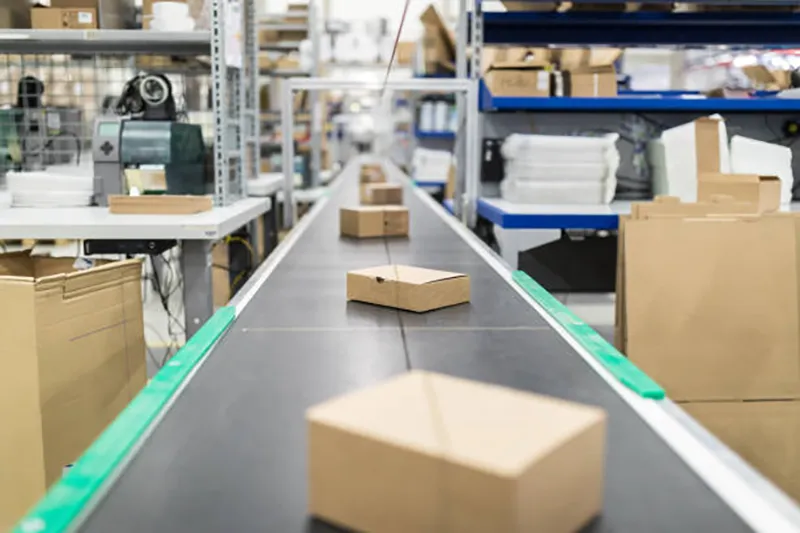
Material waste on a carton line is the quietest cost on the floor. Nobody notices an extra 40 mm of tape per box, or a carton 20% larger than it needs to be. Multiply either one by a million boxes a year and it becomes a six-figure line item in tape, board, and the freight to ship air you paid to package.
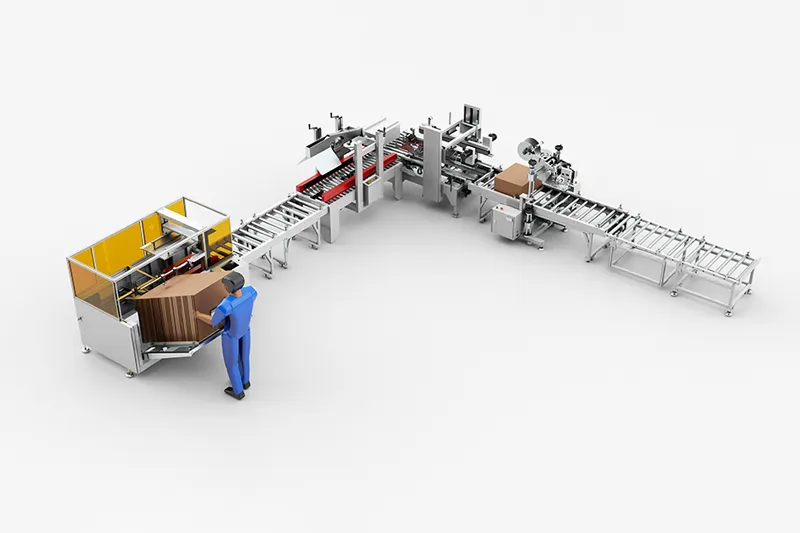
Top 8 Signs Your Carton Line Can’t Handle Peak Season
Peak season should be your best quarter. Instead, for a lot of packing operations, it turns into late shipments, retailer chargebacks, and a sales team apologizing on the phone.
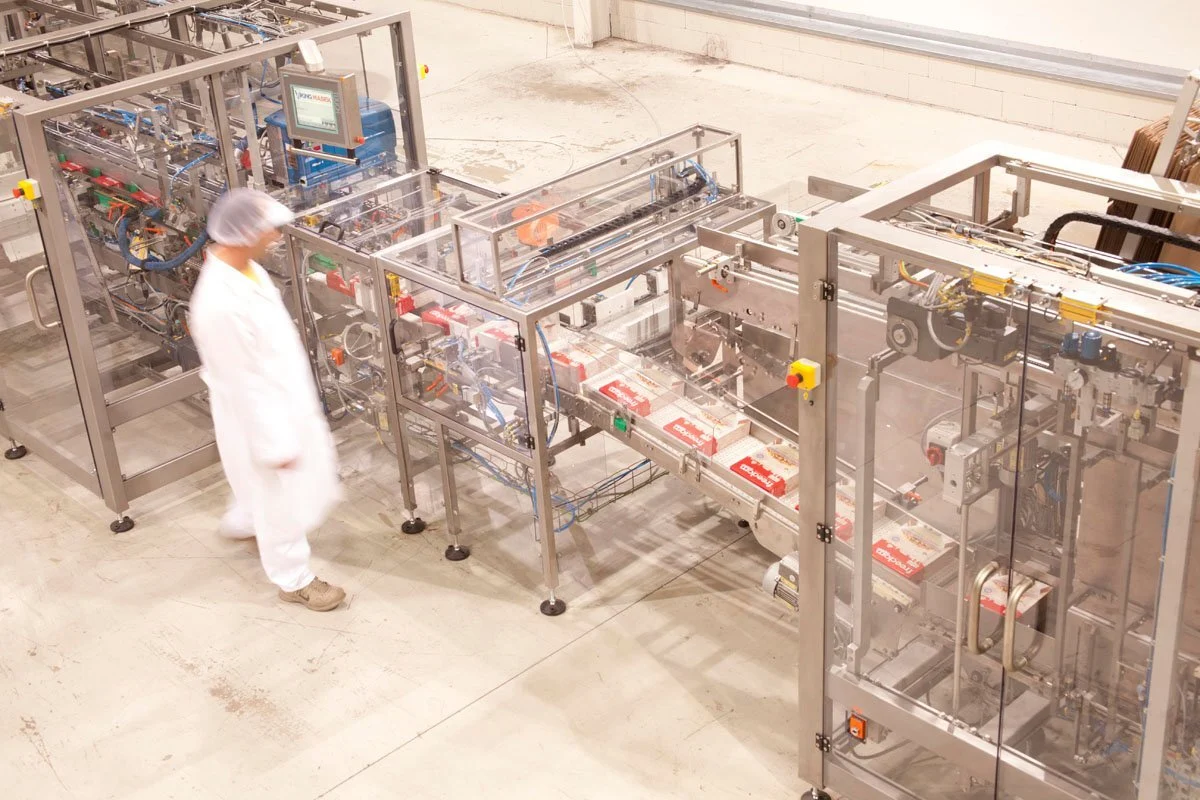
Checkweigher vs Manual Count: Which Stops Under-Filled Cartons?
Under-filled cartons breach contracts. Compare checkweigher vs manual counting on accuracy—and see which stops short shipments.
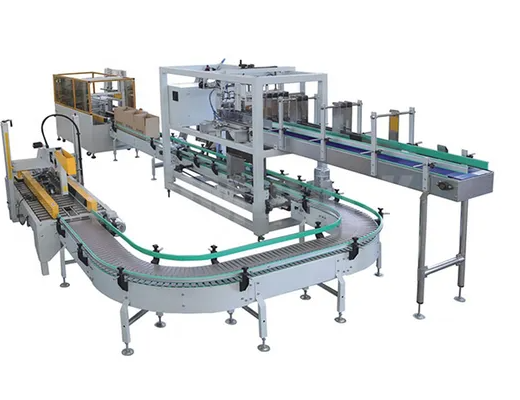
Why Are Cartons Getting Crushed on Your Packing Line?
Crushed cartons mean returns and waste. Learn why products get crushed on a packing line and how gentle handling protects them.
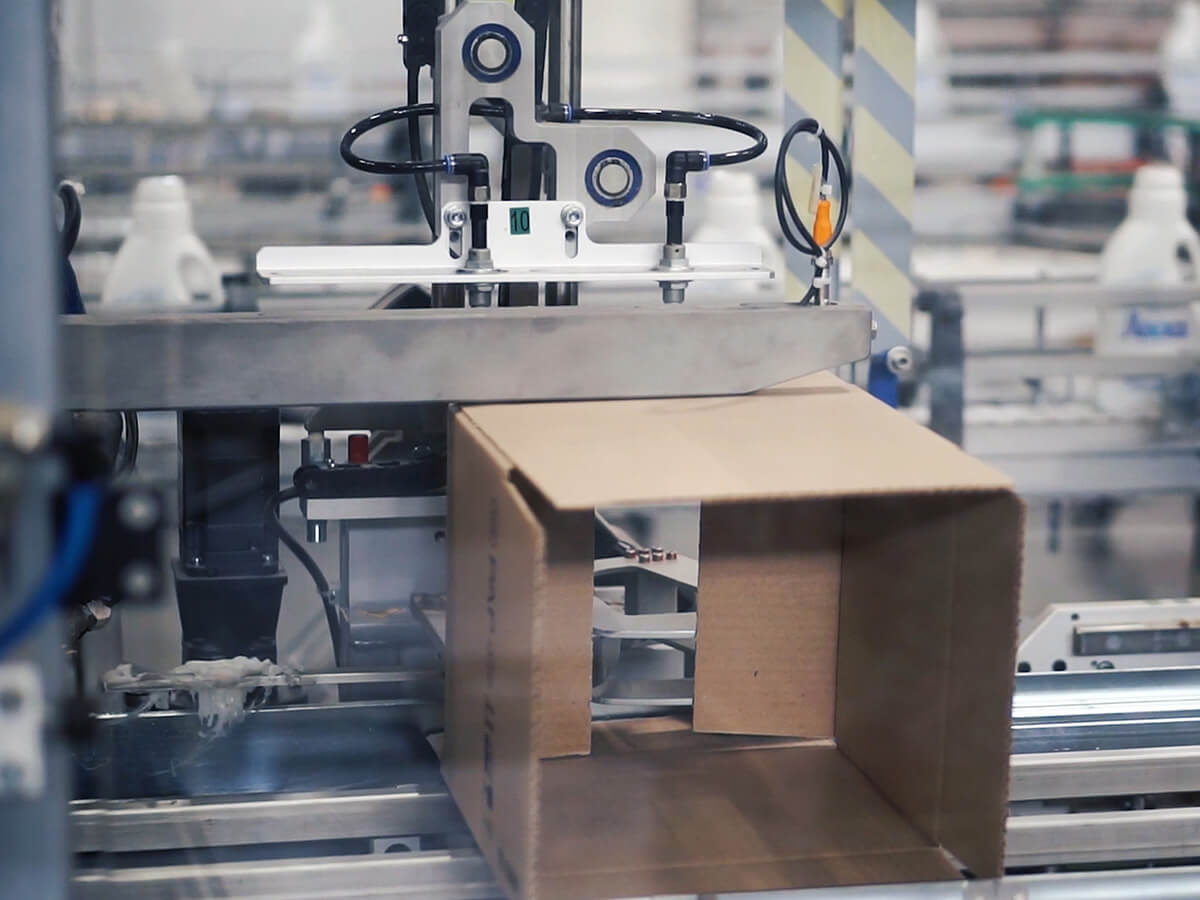
Top 7 Reasons Switching Carton Sizes Wastes Hours
Switching carton sizes shouldn’t take hours. These top 7 reasons explain the delay—and how quick-changeover fixes it.
Carton Sealing Tape vs Glue: Which Keeps Boxes Closed?
Tape or glue for carton sealing? Compare both on cost, speed, and hold—and see which keeps boxes closed in transit.
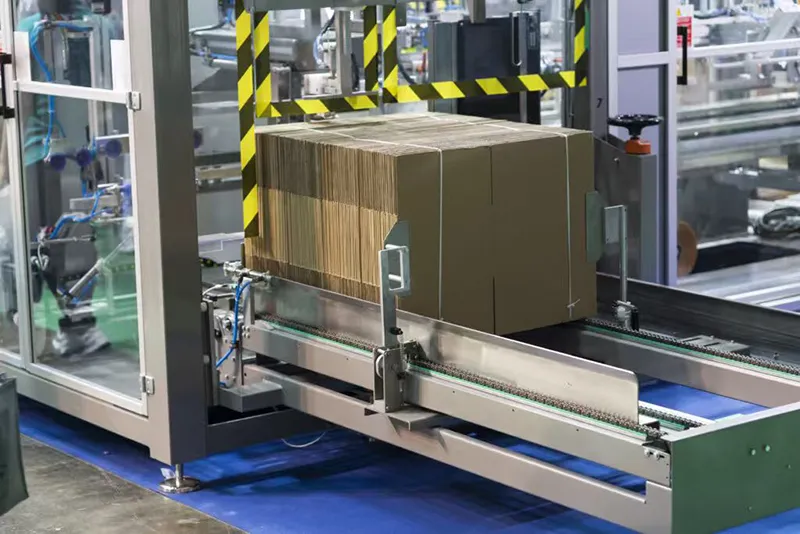
Top 10 Reasons Your Carton Packing Line Keeps Jamming
A carton packing line that keeps jamming kills output. Here are the 10 jam causes we see most often on real lines—and what actually fixes each one.
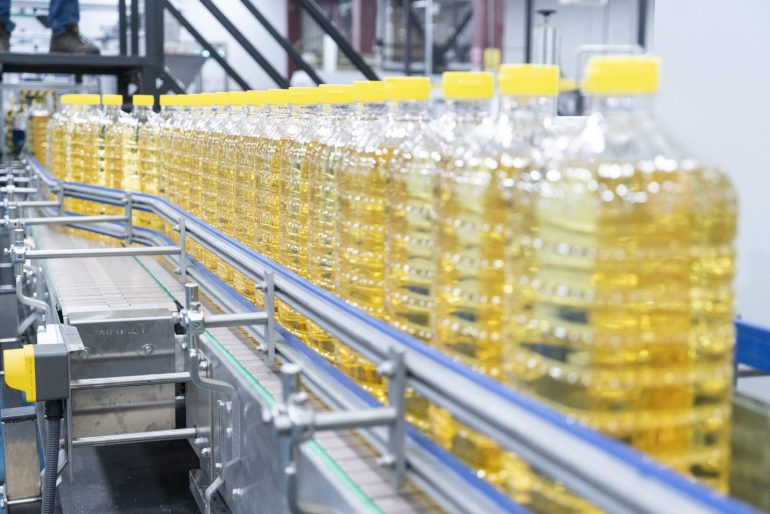
When Is the Right Time to Invest in Bottled Oil Packaging Automation?
For bottled cooking oil manufacturers, the decision to invest in end-of-line automation hinges on identifying critical production bottlenecks. This technical guide outlines how to evaluate manual packaging limitations, labor dependency, and scalability requirements to determine the exact operational threshold for deploying robotic case packing, sealing, and palletizing systems.
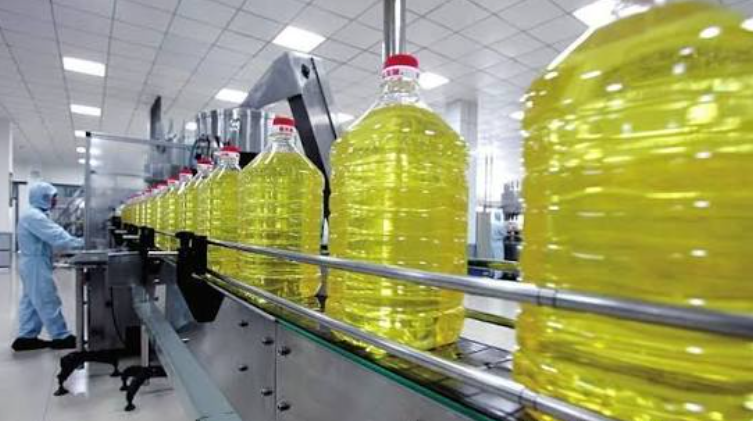
How to Choose the Right Bottled Cooking Oil Packaging Line for Your Factory
For food manufacturers, relying on manual end-of-line packaging creates severe production bottlenecks that limit total factory output. This technical guide details how to evaluate and select an automated bottled cooking oil packaging line. By analyzing robotic bottle gripping precision, capacity matching, and turnkey integration capabilities, engineering teams can implement scalable automation that permanently lowers labor dependency and maximizes overall equipment effectiveness.
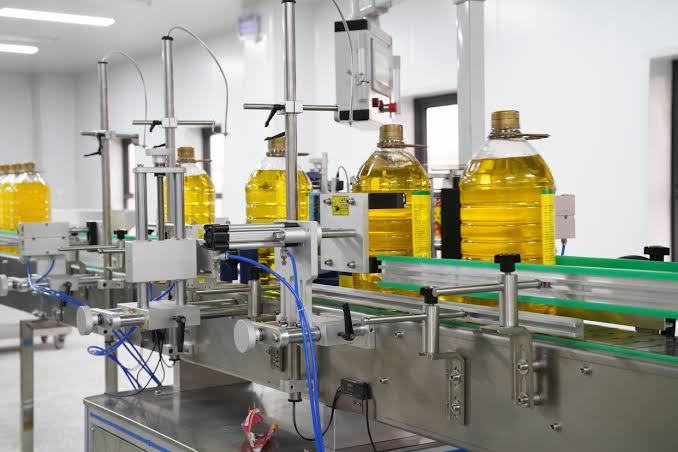
Best End-of-Line Packaging Solutions for Bottled Cooking Oil Manufacturers
For high-volume cooking oil plants, integrating an automated end-of-line packaging system eliminates the bottlenecks caused by manual case packing. This technical guide explores how continuous robotic workflows—from non-deforming bottle gripping to automated palletizing—maximize throughput, ensure SKU flexibility, and lower the Total Cost of Ownership for food manufacturers.
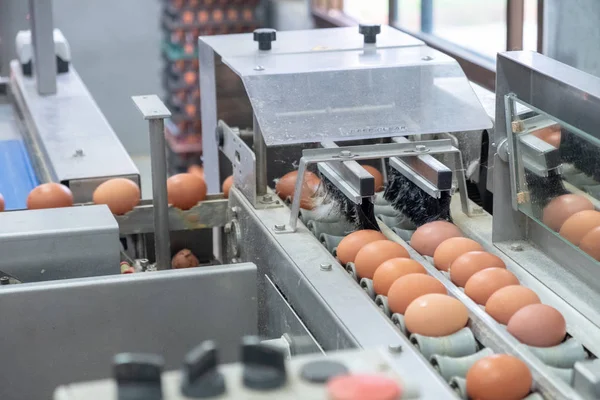
How Long Does It Take for an Egg Packing Line to Pay for Itself?
For modern egg producers, calculating the return on investment (ROI) for end-of-line automation extends far beyond initial equipment costs. This financial and technical guide details how robotic handling, synchronized workflows, and Industry 4.0 integration drastically reduce labor dependency and product loss, accelerating the payback period. By evaluating total operational economics, plant managers can accurately forecast the financial impact of transitioning to a turnkey automated packaging ecosystem.
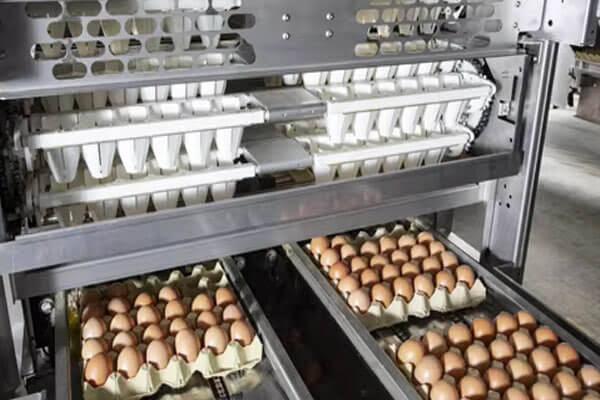
Why Modern Egg Packing Lines Need ERP Integration
As egg production scales, operating packaging machinery in isolation creates data silos and operational blind spots. This technical guide explores how integrating automated egg packing lines with enterprise ERP platforms enables real-time production monitoring, flawless traceability, and predictive maintenance. For facility managers, deploying native ERP-integrated packaging automation is a strategic requirement for realizing a fully connected Industry 4.0 smart factory.
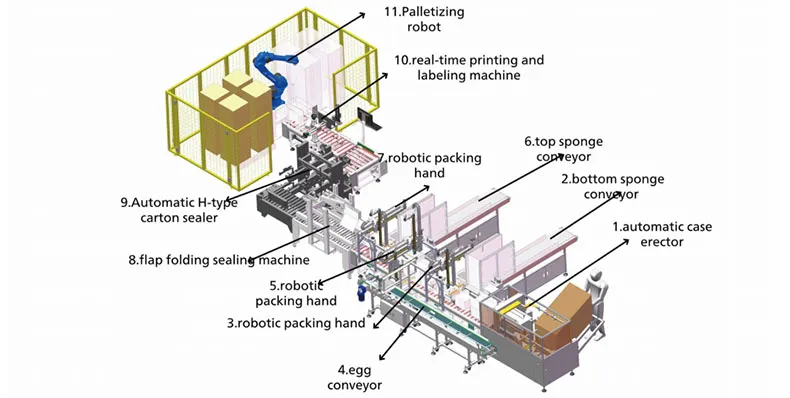
How to Design an Efficient Egg Packing Line Layout
A poorly designed egg packing line layout creates material bottlenecks, limits throughput, and increases product damage. This engineering guide details how to transition from fragmented workstation setups to fully integrated end-of-line packaging layouts. By prioritizing linear product flow, dedicated robotic zones, and seamless upstream integration, facility managers can significantly reduce labor requirements, ensure safe material handling, and future-proof their operations for Industry 4.0 scalability.