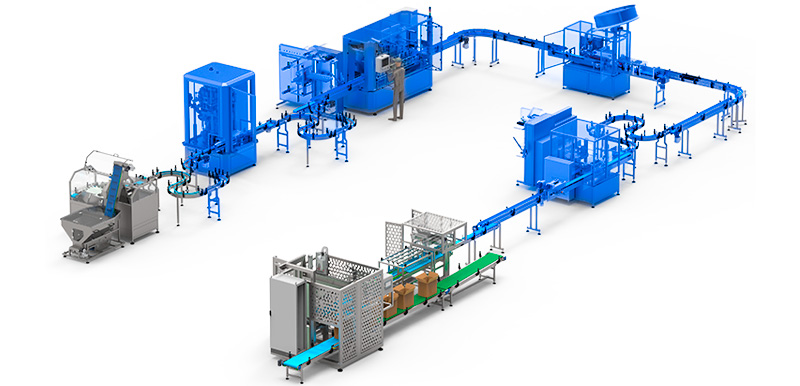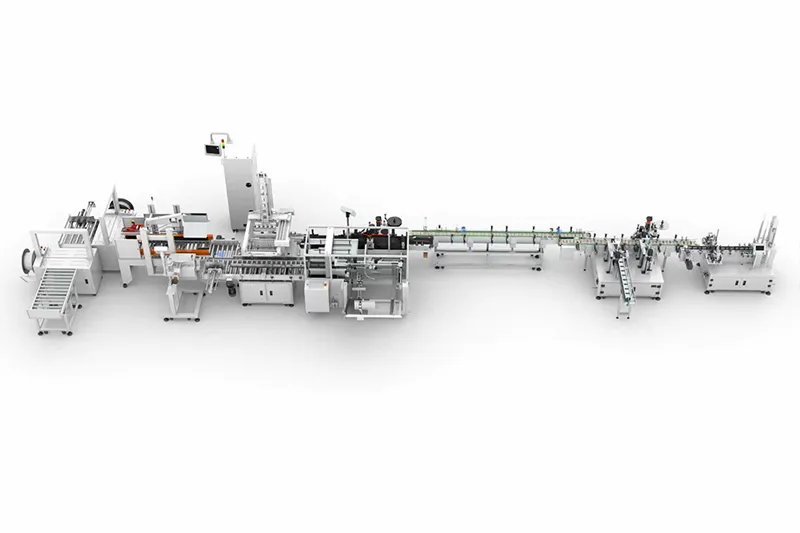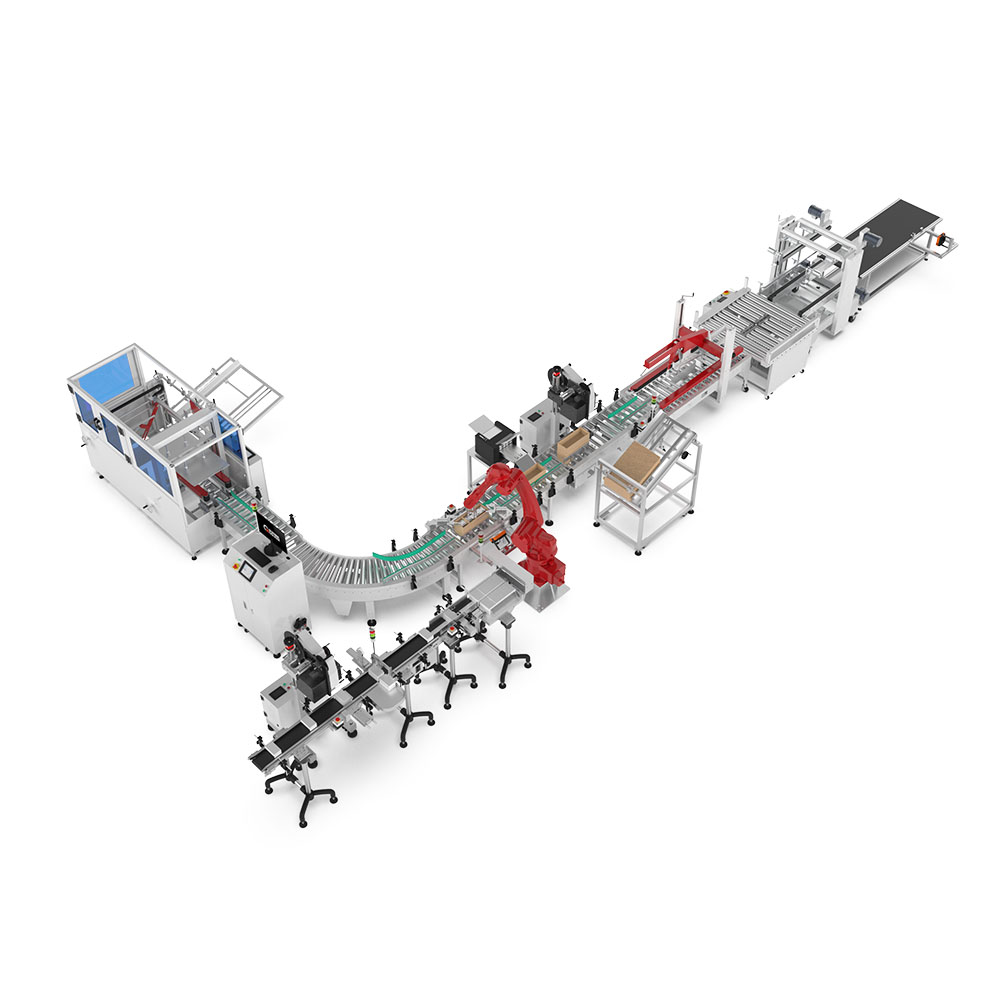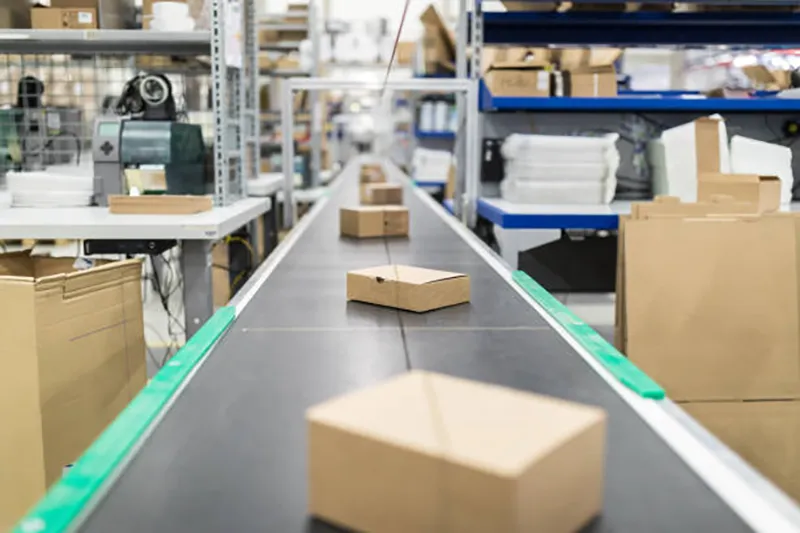
Many procurement managers assume automation merely reduces headcount, missing the broader impact on Overall Equipment Effectiveness (OEE). True automated carton packaging solutions transform disjointed end-of-line steps into a unified, predictable flow. By integrating an auto case erector, a high-precision robotic case packer, and servo-driven sealing modules, manufacturers guarantee a sustained throughput of up to 4,000 units/hour. This data-driven, Industry 4.0 approach not only eliminates the wages of up to 20 manual workers for a 1-year ROI, but also stabilizes your Takt time. Here are the top 8 engineering and operational benefits of making the switch.
At Joyda, we have seen firsthand how Industry 4.0 connectivity changes the game. When each module communicates through PLC networks and sensors, you gain visibility into machine status, alarms, and performance trends that drive continuous improvement. Here are the top 8 technical and operational benefits of making the switch.
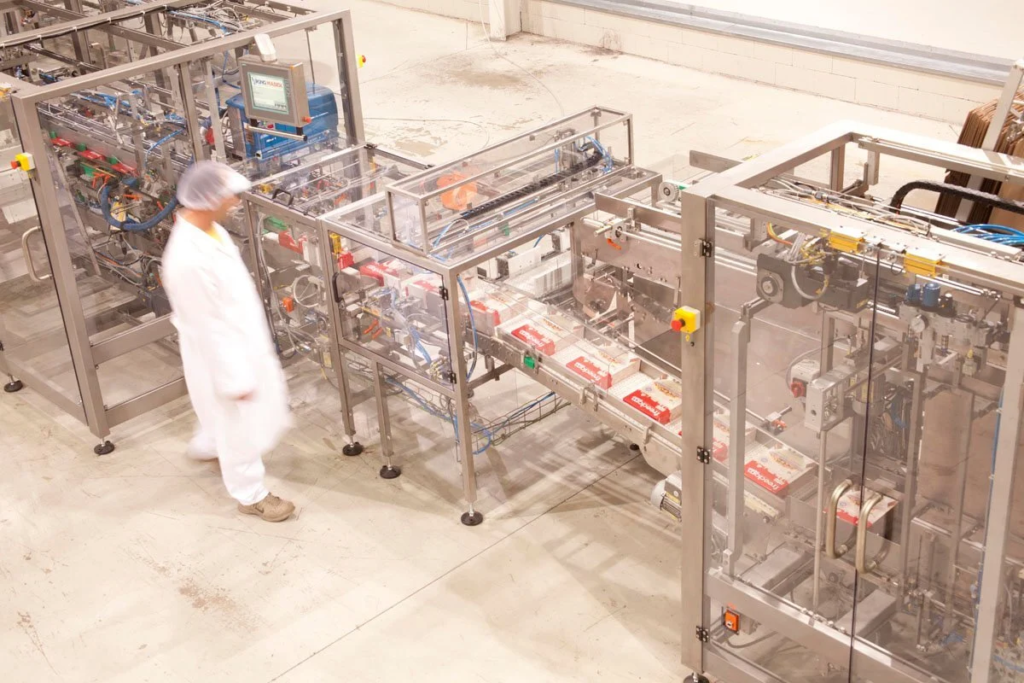
Table of Contents
- Eliminating Bottlenecks through Unified Integration
- Gaining Real-Time Visibility with Industry 4.0
- Stabilizing Takt Time via Centralized Control
- Reducing Rework with Inline Inspection
- Enhancing Workforce Safety and Utilization
- Adapting to Multiple SKUs with Flexible Changeovers
- Minimizing Unplanned Downtime through Diagnostics
- Real-World Validation: A Case Study in Efficiency
1. Eliminating Bottlenecks through Unified Integration
In a manual or semi-automated setup, machines often operate as islands. The case erector might run faster than the packer, causing boxes to pile up on the floor. The sealer might stop, but the upstream machines keep running, causing a jam.
End-of-line automation links all equipment into one system instead of multiple isolated machines.
By physically and digitally connecting the workflow—Erector → Robotic Packer → Sealer → Palletizer—you minimize hand-offs. The conveyor systems are smart; they act as buffers, ensuring a smooth transition of products from one station to the next. This elimination of “stop-and-go” handling is the fastest way to increase net daily output.
2. Gaining Real-Time Visibility with Industry 4.0
You cannot improve what you cannot measure. Manual lines are “black boxes”—you often don’t know why production slowed down until the shift is over.
With Automated Carton Packaging Solutions featuring Industry 4.0 dashboards, you achieve real-time monitoring.
These systems provide instant feedback on production rates, reject counts, and equipment status. If a specific station is running 5% slower than standard, the dashboard flags it immediately. This data-driven approach allows for remote diagnostics, helping maintenance teams pinpoint issues without physically opening every electrical cabinet, protecting uptime and maintaining stable throughput.
3. Stabilizing Takt Time via Centralized Control
Consistency is the hallmark of a mature manufacturing process. Manual operators experience fatigue; their speed drops after lunch or near the end of a shift. Robots do not get tired.
Centralized intelligent control ensures synchronization between carton erectors, robotic packers, sealers, check weighers, and palletizers.
The master PLC creates a balanced “Takt Time” (the rhythm of production). If the palletizer is momentarily busy wrapping a pallet, the upstream packer automatically adjusts its speed or utilizes accumulation buffers to prevent a line stoppage. This synchronization results in a predictable hourly output that allows for precise logistics planning.
4. Reducing Rework with Inline Inspection
Shipping a box with missing items or a damaged label is expensive. It leads to customer fines, return shipping costs, and reputation damage.
Automated lines integrate inline inspection and weighing modules directly into the flow.
Unlike manual spot-checks, these systems verify 100% of the production.
- Check Weighing: Detects if a carton is too light (missing product) or too heavy (duplicate product).
- Vision Inspection: Verifies label placement and barcode readability.
- Result: The system automatically rejects non-conforming cases, stabilizing accuracy and reducing rework significantly compared to manual packing.
5. Enhancing Workforce Safety and Utilization
Heavy lifting and repetitive motions are the leading causes of injury in packaging facilities. Manually palletizing 20kg boxes for an 8-hour shift is an ergonomic nightmare.
By automating the heavy lifting (palletizing) and repetitive tasks (forming and sealing), you significantly reduce human error and unplanned interruptions due to injury.
This allows you to reallocate your workforce. Instead of breaking their backs stacking boxes, operators become “Line Supervisors.” Their focus shifts to managing the equipment, refilling consumables, and monitoring quality, which improves job satisfaction and retention.
6. Adapting to Multiple SKUs with Flexible Changeovers
A common fear is that automation makes you rigid. “What if I need to change box sizes?” Modern solutions are designed for agility.
Advanced Automated Carton Packaging Solutions utilize servo-driven adjustments and HMI recipes.
When switching from Product A (12-pack) to Product B (24-pack), the operator simply selects the new recipe on the screen. Guide rails, robot pick-points, and print locations adjust automatically or via quick-release mechanisms. This capability is crucial for manufacturers handling multiple SKUs, ensuring that high-mix production doesn’t lead to hours of downtime.
7. Minimizing Unplanned Downtime through Diagnostics
Reactive maintenance—fixing things only when they break—is the enemy of efficiency.
Industry 4.0 connectivity allows for predictive maintenance.
Sensors monitor critical variables like motor vibration, vacuum pressure, and heater temperature. If the vacuum pressure on the robotic packer starts to drift, the system alerts the operator before the cup fails to pick up a box. This data-driven maintenance approach helps protect uptime by allowing teams to address minor issues during scheduled breaks rather than facing catastrophic failures mid-shift.
8. Real-World Validation: A Case Study in Efficiency
Theory is useful, but engineering results matter. Let’s look at a recent integration for a high-volume manufacturer.
The Challenge: A disjointed line relying on manual lifting and standalone machines struggled to exceed 12 cartons per minute, suffering from severe micro-stops and operator fatigue.
The Solution: The facility upgraded to an integrated automatic carton packaging machine system, featuring a high-speed robotic case packer and inline check weighing, all synchronized by a master PLC network.
The Results:
- Labor Optimization: Replaced 20 manual roles across multiple shifts, leaving only 2 supervisors to manage the HMI and replenish consumables.
- Stable Throughput: Locked in a continuous output of 4,000 units per hour without fluctuation.
- Financial Impact: Achieved complete CapEx payback (ROI) in just 12 months.
Impact: The case packing line now runs at a steady, predictable rhythm, completely immune to ergonomic fatigue limits or high labor turnover.
Summary Comparison: Manual vs. Automated
| Feature | Manual / Standalone Machines | Automated Carton Packaging Solution |
| Flow | Stop-and-Go (Bottlenecks) | Continuous / Synchronized |
| Visibility | None (Post-shift reports) | Real-Time (Dashboard / Remote) |
| Quality | Variable (Human dependent) | Consistent (Sensor verified) |
| Changeover | Slow (Manual tools) | Fast (HMI Recipe / Servo) |
| Safety | High Risk (RSI / Heavy Lifting) | Low Risk (Guarded / Ergonomic) |
Conclusion: The Strategic Value of Automation
In the current manufacturing landscape, relying on manual labor for critical end-of-line tasks is becoming a significant liability. The ROI of Automated Carton Packaging Solutions extends far beyond simple payroll savings.
By transitioning to a fully integrated system, you are building a resilient infrastructure capable of adapting to market demands, ensuring 100% quality compliance, and providing the data needed for smart decision-making. Whether you are a small producer looking to stabilize output or a large logistics hub aiming for maximum throughput, the shift to an Industry 4.0 automated line is not just an equipment purchase—it is the definitive step toward operational excellence and long-term competitiveness.