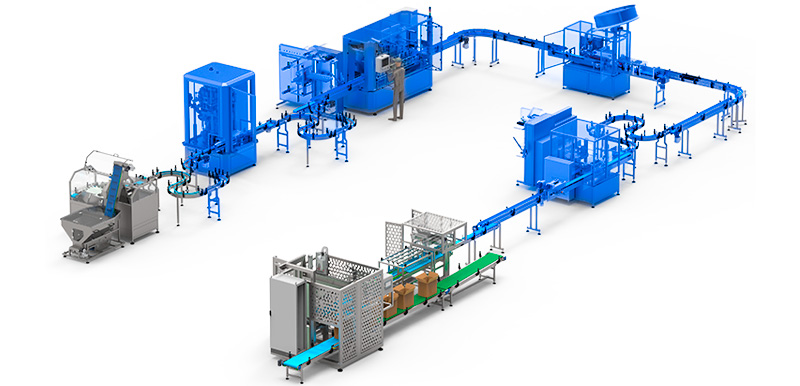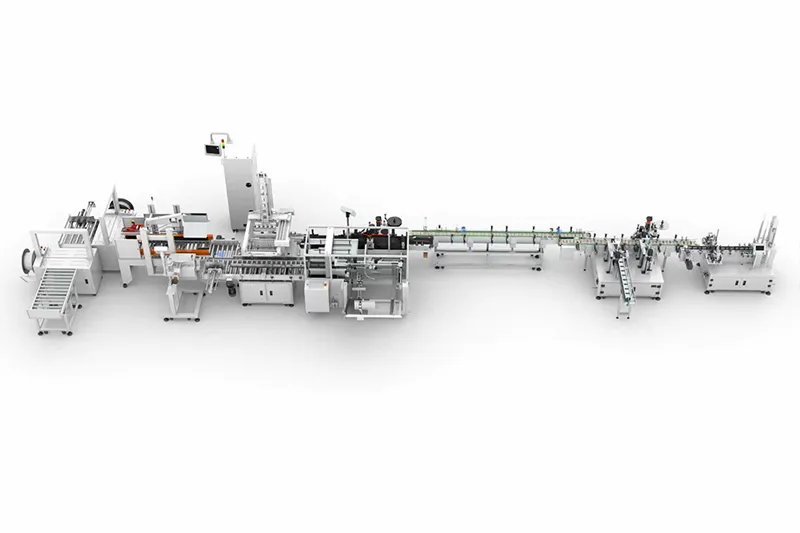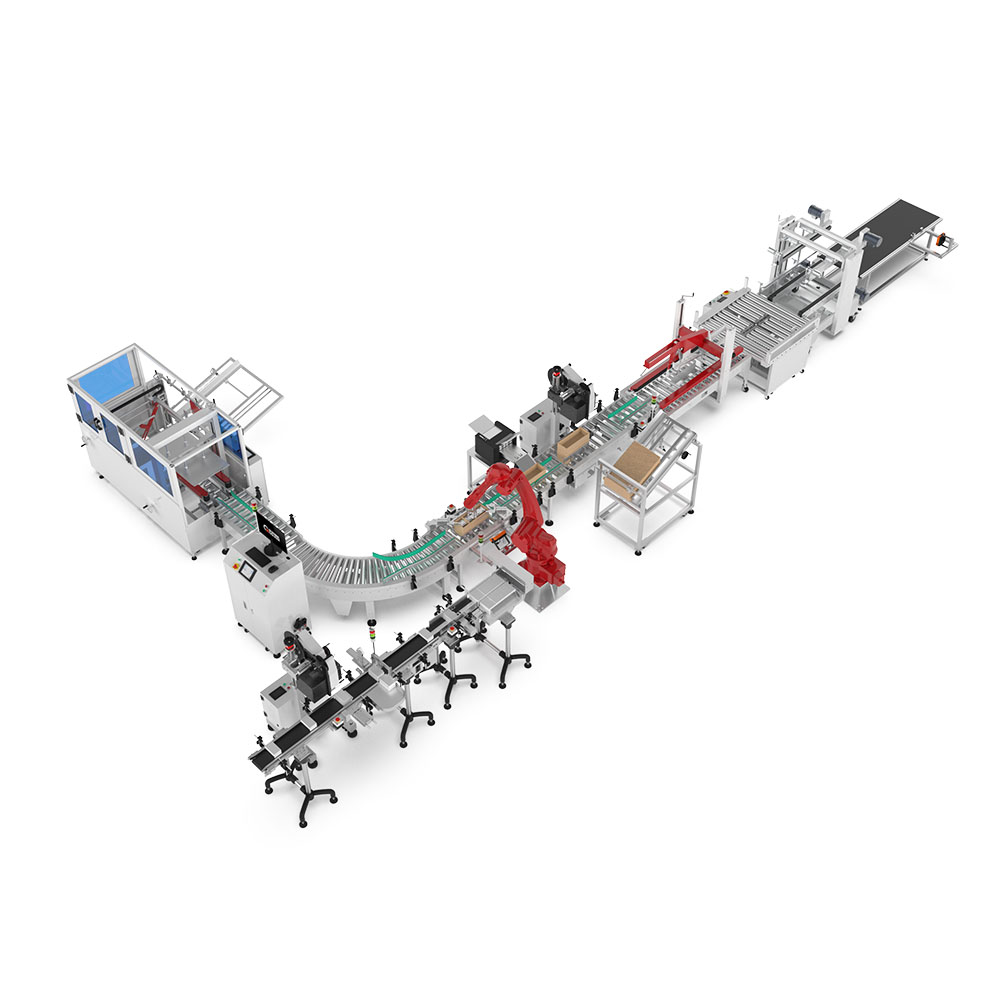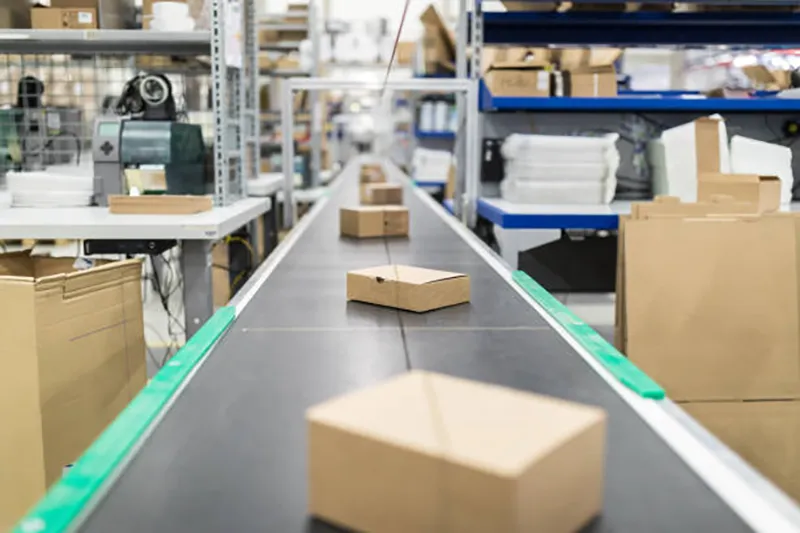
A crushed carton is a double loss. The product inside may be damaged beyond sale, and even when it survives, a dented box still reads as “handled carelessly” to the buyer. If cartons are getting crushed on your packing line, the cause is almost always mechanical, not accidental—and it is fixable. This guide names the common damage points, shows you how to find exactly where the crush happens, and how gentle-handling design removes it without slowing the line.
Crushing happens at the moment of contact: a grip too tight, a drop too far, a stack too heavy. On an automatic carton packing production line, those moments are repeatable, which means they are also fixable by design.
What you will read
- Crushed cartons mean returns and waste
- The common causes of carton damage
- Cause vs fix: a quick table
- How to find exactly where cartons crush
- What the damage type tells you
- Gentle handling that protects product
- When the carton itself is the problem
- Cushioning and palletizing that prevent collapse
- A before-and-after example
- Frequently asked questions
1. Crushed cartons mean returns and waste
When a carton is crushed, two costs land at once. The product may be unsellable, and the packaging itself is scrap. Both hit margin directly. A line running a 2–3% crush rate is throwing away finished goods every shift—work that was already paid for in material and labor.
The pattern is the same as a carton line that keeps jamming: small, repeated contact faults that nobody totals until the returns pile up. The fix starts with naming the cause, then finding the exact contact point.
2. The common causes of carton damage
Most crushing traces back to one of five contact points on the line:
- Clamp or gripper force too high. A handler sized for heavy cartons crushes light ones. Force should match the carton, not the biggest case.
- Drop height at transfer. Cartons dropped from a height at a conveyor merge or turn hit corners first and dent.
- Positioning impact. A carton pushed into a stop or mis-fed into a packer collides instead of settling.
- Stacking pressure. Too many cartons or wrong pattern on the pallet compresses the lower layers.
- Wrong vacuum suction. Weak or uneven suction lets cartons slip and bang into guides on the way.
3. Cause vs fix: a quick table
| Cause | What you see | Fix |
|---|---|---|
| Clamp force too high | Sidewall dents on light cartons | Force set to carton weight, soft pads |
| Drop height | Corner crush at merges | Lower transfer, gentle decline |
| Positioning impact | Bent flaps at stops | Soft stops, aligned infeed |
| Stacking pressure | Bottom-layer collapse | Pattern limit, layer pads |
| Wrong vacuum | Cartons slip and bang | Right cups, even suction |
Several of these appear during size changes, when guides are reset by hand. That is why crushing often rises right after a slow carton changeover—the line was bumped and not re-aligned.
4. How to find exactly where cartons crush
You do not need a full audit to locate the problem. Walk the line with a marker and these steps:
- Mark damaged cartons by zone. Tag each crushed box with the station where you think it failed; patterns appear fast.
- Watch the transfers. Stand at every merge, turn, and drop and watch cartons land—corner-first landings are the usual culprit.
- Check clamp pressure per size. Run a light carton through and see if the gripper leaves a dent; if yes, force is set too high.
- Inspect stops and guides. Scuff marks at a fixed height point straight to the impact point.
- Review the pallet pattern. If bottom-layer cartons crush but line cartons look fine, the problem is downstream at stacking.
5. What the damage type tells you
The shape of the damage narrows the cause quickly:
| Damage you see | Likely cause |
|---|---|
| Sidewall dent, one side | Clamp or gripper force too high |
| Corner crush | Drop at a merge or turn |
| Bent or split top flap | Impact at a stop or mis-feed |
| Collapsed bottom layer | Pallet stacking pressure |
| Scuff on one edge only | Guide or rail mis-aligned |
6. Gentle handling that protects product
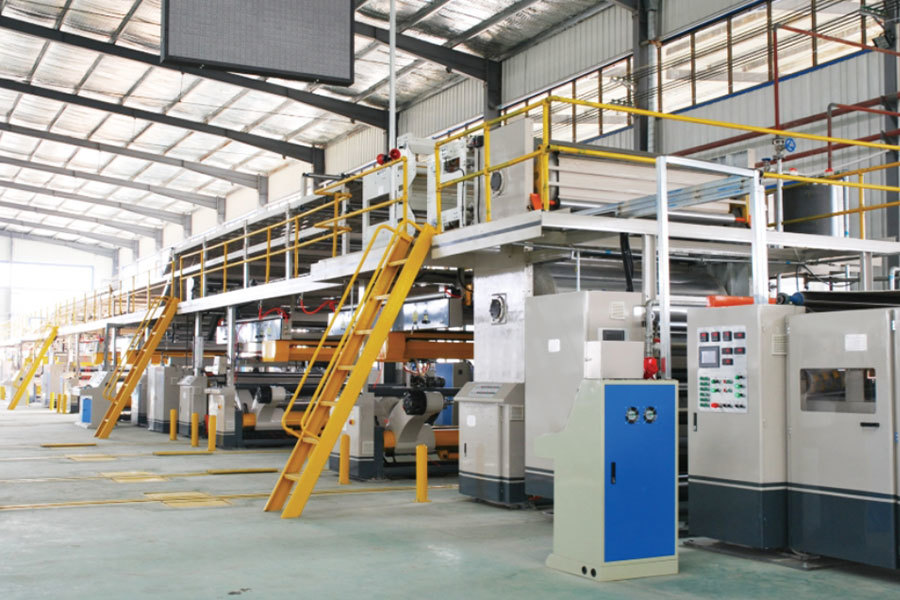
Gentle handling is a set of small, deliberate choices. Together they remove the five crush points without slowing the line:
- Set clamp and suction force per carton weight, with soft contact pads.
- Keep transfers low and aligned so cartons glide, not drop.
- Use soft stops and servo positioning so cartons settle, not collide.
- Cap pallet stack height and add layer pads for heavy loads.
- Add side guides that align without squeezing.
Crushing and sealing are neighbors on the line: a tape vs glue sealing setup that compresses too hard can also dent flaps, so tune both together. And watch the end of the line—pairing gentle handling with checkweighing vs manual counting makes sure a protected carton also leaves with the right contents.
7. When the carton itself is the problem
Sometimes the line is fine and the box is not. Check the carton before you re-engineer the machine:
- Board grade. Under-spec’d gram weight buckles under normal handling; match the board to filled weight.
- Flute type. The wrong flute (e.g. a thin single-wall for a heavy load) collapses where a double-wall would hold.
- Box style. An RSC that is not square lets flaps gap and corners weaken; verify die-cut accuracy.
- Moisture. Stored cartons that absorbed humidity lose compression strength—keep them dry.
8. Cushioning and palletizing that prevent collapse
- Limit stack height by carton compression strength, not by how high the fork can reach.
- Use a column pattern (cartons aligned, not interlocked) so weight carries through walls, not seams.
- Add layer pads between heavy layers to spread load.
- Stretch-wrap with enough turns to hold the unit load without squeezing cartons.
- Keep cartons off the floor edge of the pallet so corners are not crushed during handling.
9. A before-and-after example
A food packer saw a 3% crush rate and blamed the cartons. A line walk showed sidewall dents only on the light SKU—the clamp was set for the heavy one. Dropping clamp force, adding soft pads, and lowering one transfer cut crushing to under 0.3% in a week. Returns fell, and they stopped over-spec’ing board, which saved material cost too.
10. Frequently asked questions
Why do only light cartons crush?
Because the line was tuned for your heaviest case. Light cartons cannot resist that force, so they dent first. The fix is force that adapts to carton weight, not a single fixed setting.
Does crushing get worse after a size change?
Often, yes. Hand-reset guides and stops can shift alignment, so cartons meet hard edges. Re-aligning after each changeover prevents most of it.
Is palletizing the real culprit?
Sometimes. Over-stacking or a bad pattern crushes bottom layers. But if crushing shows before palletizing, look at clamps, drops, and stops on the line itself.
Will gentle handling slow the line?
No. Soft pads, low transfers, and servo stops are designed for speed. They remove impact, which is what damages cartons, not throughput.
Can an existing line be fixed?
Usually. Pads, soft stops, and force settings are retrofittable. A short audit of where cartons contact hard surfaces shows the highest-value changes first.
Should I just use stronger cartons?
Not first. Stronger board hides the real fault and raises cost. Fix the contact points, then spec the board only if damage remains. Often the line fix removes the need for heavier boxes.
Seeing crushed cartons on your line? Ask the JOYDA team for a handling audit—tell us your carton weights, where the damage shows, and your current crush rate, and we will point to the fix and send a free line-walk checklist you can use today. You can also review our automatic carton packing production line options.