A carton that arrives opened is more than a small mistake. It is a return, a complaint, and a dent in the trust a buyer just built in your brand. If your boxes keep splitting at the seal, the first question is usually simple: are we sealing with tape, or with glue? This guide compares both on the things that actually matter on a packing line—cost, speed, hold strength, and whether the box stays shut all the way to the customer. We will also show you how to test your seal, the mistakes that quietly ruin it, and how to pick the right method for your exact product.
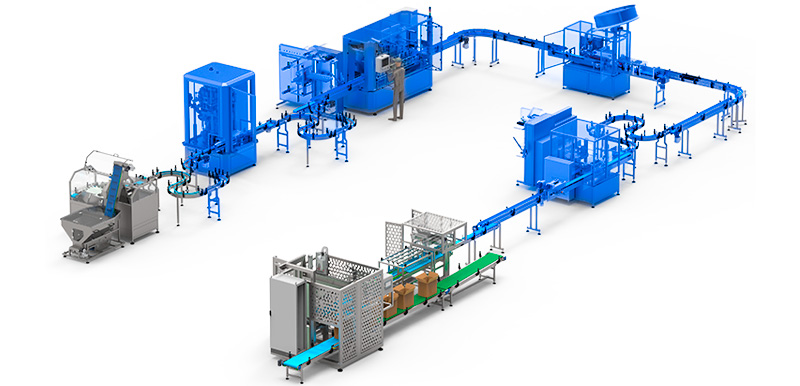
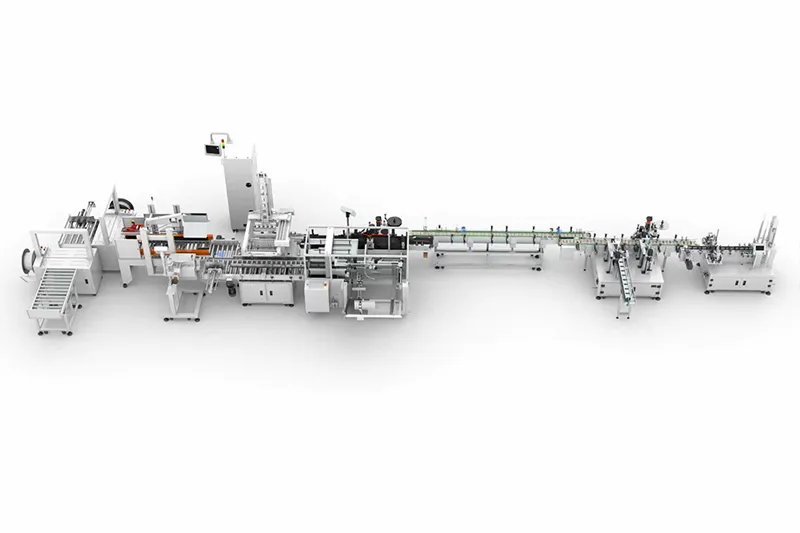
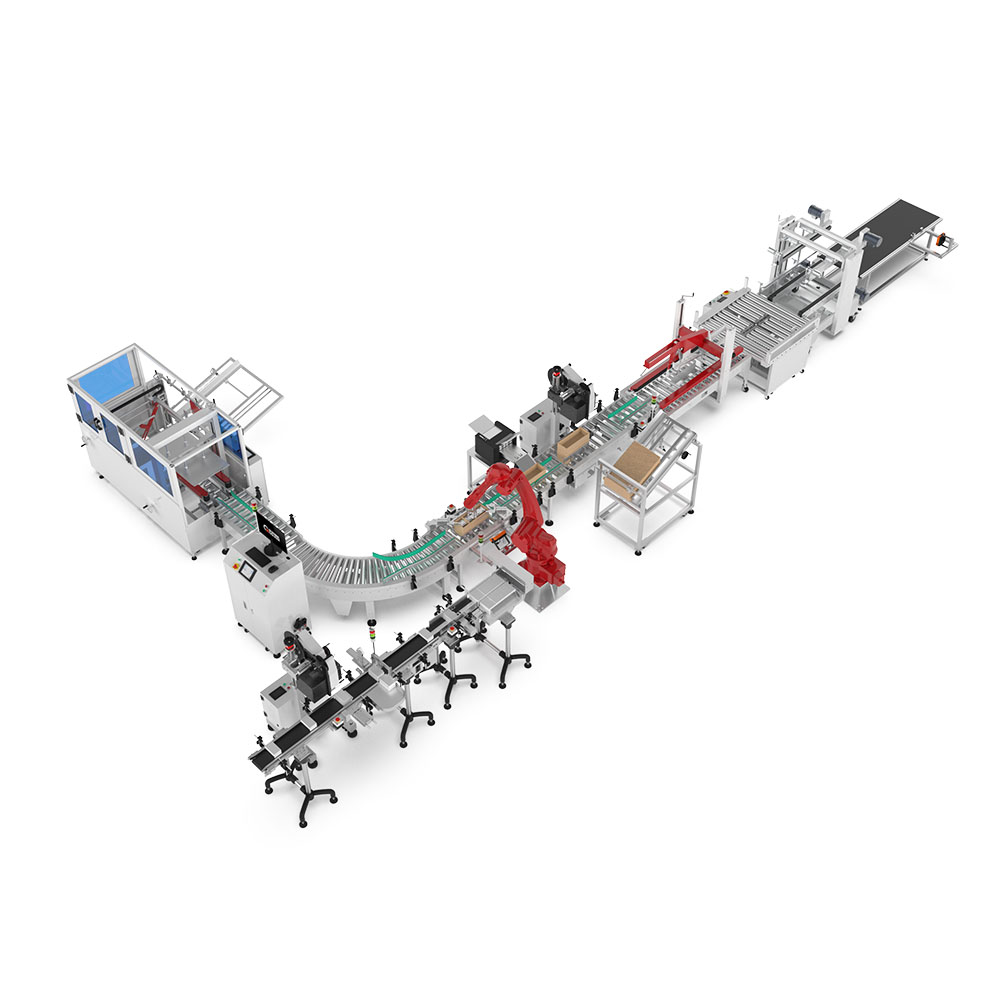
Before choosing, it helps to see how sealing fits inside the whole automatic carton packing production line. Sealing is the last step before a carton leaves the line, so a weak seal shows up as a problem at the customer’s dock, not yours.
What you will read
- The real cost of a box that arrives opened
- How tape and glue each seal a carton
- Tape vs glue: the side-by-side
- Why cartons still open in transit
- A sealing setup that actually holds
- Which method fits your product type
- Five questions that decide it for you
- How to prove your seal is strong enough
- Sealing mistakes that waste money
- Integrating sealing with an auto case sealer
- When tape is enough—and when glue wins
- Frequently asked questions
1. The real cost of a box that arrives opened
An opened carton rarely stays a small problem. The unit inside may spill, get dirty, or go missing. That triggers a return, a replacement shipment, and the labor to handle both. On a busy line, even a 1–2% seal-failure rate adds up to real money every week—and worse, it shows up in reviews and reorder rates long after the box is gone.
The bigger cost is quieter: a buyer who received a torn box is less likely to reorder. Sealing is cheap to fix and expensive to ignore, which is why the tape-vs-glue choice deserves a clear look instead of a habit. Treat seal failure like any other line fault—if a carton line keeps jamming, you already know small stops compound; a weak seal compounds the same way, just off-site.
2. How tape and glue each seal a carton
Both methods close the carton flaps, but they work differently. Tape is a pressure-sensitive strip laid across the flap seam—usually on the top and bottom—by a case sealer. The bond comes from the adhesive on the tape touching a clean flap surface. Glue—usually hot-melt—is applied as a bead or stripe to the flap, then the flaps are pressed together while the glue is still warm. The bond sets as it cools.
Because glue wets the board itself, it can grip recycled or rough surfaces that tape struggles to hold. Tape, by contrast, sits on top of the surface, so anything that breaks that surface contact—dust, oil, a curved flap—weakens it. A carton line that keeps jamming often has the same root issue as a weak seal: flaps and timing are not consistent, so neither the tape nor the glue gets a fair chance to bond.
3. Tape vs glue: the side-by-side
Use this table as a quick reference when you compare the two on your own line. None of these are fixed rules—they shift with box type, climate, and how the carton is handled after sealing.
| Factor | Tape | Hot-melt glue |
|---|---|---|
| Cost per carton | Low and predictable | Slightly higher (glue + applicator) |
| Line speed | Very fast, no cure wait | Fast; brief compression needed |
| Hold on recycled board | Weak if surface is dusty | Strong, wets the fibre |
| Heavy or tall cartons | Can peel at the seam | Holds the seam better |
| Humid or hot transit | Adhesive can soften | Stable through temperature swings |
| Recycling | Tape must be removed | Board stays clean to recycle |
| Setup change for new sizes | Quick | Needs glue pattern change |
| Tamper evidence | Visible if re-taped | Broken bead shows tampering |
4. Why cartons still open in transit
Most seal failures are not about tape vs glue at all. They come from how the seal is applied. The common causes:
- Wrong tape width for a heavy carton—too narrow a strip peels at the edges.
- Low applicator pressure, so the tape never fully contacts the flap.
- Dusty or greasy flaps that the adhesive cannot grip.
- Not enough compression time after gluing, so the bond sets weak.
- Cold or humid storage that softens tape adhesive.
- Flaps not fully closed before sealing—a gap leaves the seam half-bonded.
A weak seal is often one symptom of broader handling problems. It is worth reading why cartons get crushed on the packing line—the same line tuning that stops crushing also tightens sealing, because both depend on consistent contact and alignment.
5. A sealing setup that actually holds
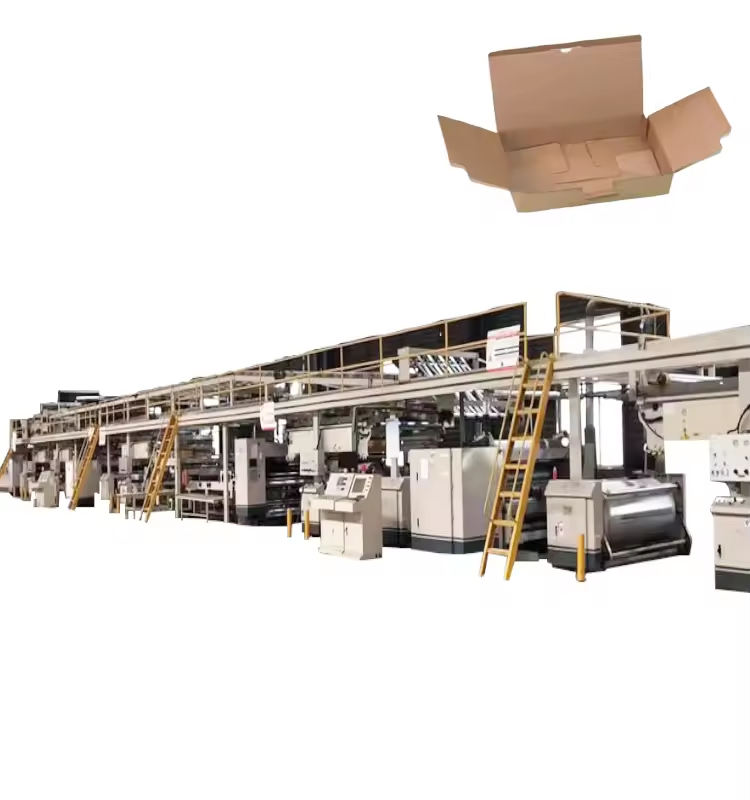
Whatever method you pick, the setup decides the result. Keep these four points steady and most seal failures disappear:
- Wipe or brush flaps so dust and oil do not block the bond.
- Hold consistent compression for a moment after sealing—tape needs contact, glue needs set time.
- Match tape width and grade to carton weight; do not under-specify.
- For tall or heavy cartons, add corner reinforcement or a second seal pass.
- Confirm flaps are fully closed and square before the sealer engages.
When you run many box sizes, sealing is only one part of the changeover. See the top reasons carton changeovers waste hours so sizing swaps do not slow the whole line or knock the sealer out of alignment.
6. Which method fits your product type
The “right” seal depends on what is inside and where the box travels. A few common cases:
- E-commerce and retail goods: Light, dry cartons shipped in good conditions do fine with tape. Speed and low cost win, and returns are rare if the box is taped at the correct width.
- Food and beverage: If boxes pass through cold storage or humid docks, glue holds better and leaves no adhesive residue on the product area. Clean-board recycling also matters for many food buyers.
- Pharmaceuticals and cosmetics: Tamper evidence is the priority. A glued seam that breaks visibly is easier to spot than re-taped tape, and logged sealing adds traceability.
- Export and heavy industrial parts: Long transit, rough handling, and recycled-board cartons all favor glue. A taped seam on a heavy case can peel after weeks at sea.
- Sustainable or recycled-board packaging: Glue wets the fibre and holds; tape often releases on dusty recycled surfaces.
7. Five questions that decide it for you
Before you buy equipment or change a process, answer these five. The pattern points to tape or glue almost every time:
- How heavy is the filled carton? Over about 15 kg, glue earns its keep; tape needs wide, high-grade grades to match.
- What is the board made of? Recycled or rough board → glue. Clean virgin board → either works.
- What conditions does it travel through? Heat, humidity, or long handling → glue. Stable, dry, short haul → tape.
- Does tamper evidence or clean recycling matter to the buyer? Both favor glue.
- How many box sizes do you run? Many sizes with frequent changeover → tape is faster to switch; glue needs a pattern change per size.
8. How to prove your seal is strong enough
Do not trust the spec sheet—test the real carton. A simple in-house check catches weak seals before they reach a customer:
- Drop test: Seal a sample, drop it from the height it sees at your worst transfer point, and check the seam.
- Shake test: Hold the sealed carton by one end and shake; a weak seam opens or shows a gap.
- Edge pull: Gently pull the flap tips apart at the seam; a good bond resists without lifting the tape or splitting the glue line.
- Transit sample: Ship a few sealed cartons on a normal route and open them on return to confirm the seam held.
- Climate check: If you ship through heat or humidity, store sealed samples in those conditions for 48 hours, then repeat the tests.
9. Sealing mistakes that waste money
These show up on lines of every size, and most are free to fix:
- One strip on a heavy box. A single narrow tape line peels; use two passes or wider tape.
- Sealing dirty flaps. Dust and oil are the top cause of tape release—brush or blow them off.
- Skipping compression. Glue needs a held press for a moment; releasing early sets a weak bond.
- Wrong tape grade for temperature. Standard tape softens in heat; use a grade rated for your transit range.
- Ignoring flap alignment. A skewed flap leaves the seam half-bonded even with perfect pressure.
10. Integrating sealing with an auto case sealer
When sealing moves from a hand table to an automatic carton packing production line, a few integration points decide whether the seal holds at speed:
- Flap closers before the sealer. A powered folder squares the flaps so the seam is even—this alone removes most random failures.
- Compression section. For glue, a short belt that holds the flaps pressed while the bead sets keeps the line moving.
- Pressure adjustment per size. Tape heads and glue valves should re-set with the carton recipe, not by hand each changeover.
- Reject or alarm on misfeed. If a carton enters unsealed or skewed, the line should flag it rather than pass a bad box downstream.
11. When tape is enough—and when glue wins
Tape is enough for most dry, light, stable cartons shipped in good conditions. It is cheap, fast, and easy to change between box sizes. If your failure rate is near zero, stay with tape.
Glue wins when cartons are heavy, made from recycled board, or shipped through heat, humidity, or rough handling. It also suits fully automated lines where a clean, tape-free box matters for recycling. For end-of-line accuracy—making sure the right items are inside before the box is sealed—pair sealing with checkweighing vs manual counting so you never ship a short carton.
12. Frequently asked questions
Is glue much more expensive than tape?
Per carton, glue is usually a little higher once you add the applicator and pattern control. But if tape fails and drives returns, glue often costs less overall. Compare total cost, not just the roll price.
Which is better for recycling?
Glue leaves the board clean, so it recycles without tape removal. Tape must be stripped first, which some facilities reject. If sustainability matters to your buyers, glue has the edge.
Does glue slow the line?
Only slightly. Glue needs a short compression moment, but modern applicators keep pace with high-speed case sealers. The pause is brief and built into the station.
Can one line run both tape and glue?
Yes. Many lines use tape as default and switch to glue for heavy or recycled-board cartons. The switch is a setup change, so keep it quick to avoid downtime.
How do I pick for my products?
Start from carton weight, board type, and transit conditions. Light and dry means tape; heavy, recycled, or harsh transit means glue. A short trial on your real cartons settles it faster than a spec sheet.
Can I test the seal without special equipment?
Yes. Drop, shake, and edge-pull tests on sealed samples catch most weak seams with no lab. Ship a few on a normal route and open them on return to confirm real-world hold.
Does tape grade matter that much?
It matters a lot in heat or humidity. Standard tape can soften and release; a temperature-rated grade holds. Match the grade to your worst transit condition, not your warehouse.
Still deciding between tape and glue for your line? Tell the JOYDA team your carton size, weight, board type, and transit route, and we will map a sealing setup that keeps boxes closed—and send a short checklist you can use to test your current seals today. You can also review our automatic carton packing production line options to see how sealing fits the full line.