
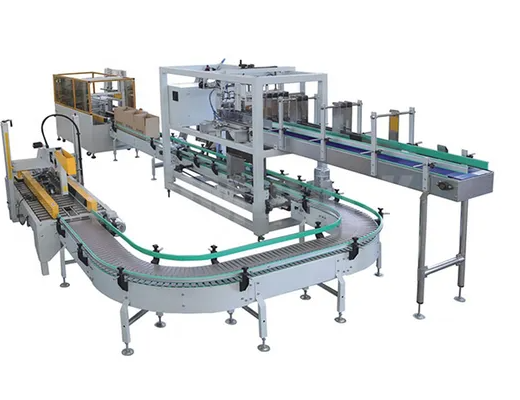
How Much Labor Can a Carton Packing Production Line Save?
This article analyzes the profound impact that a carton packing production line has on manufacturing labor requirements. By transitioning the end-of-line process from a manual workflow to a synchronized mechanical system, factories can reduce their packing headcount by 50% to 70%. We explore how this shift transforms the operator’s role from manual handler to system supervisor, eliminates fatigue-induced efficiency drops, and boosts overall throughput from 10 cartons per minute to a stable 24 cartons per minute, driving a rapid return on investment.
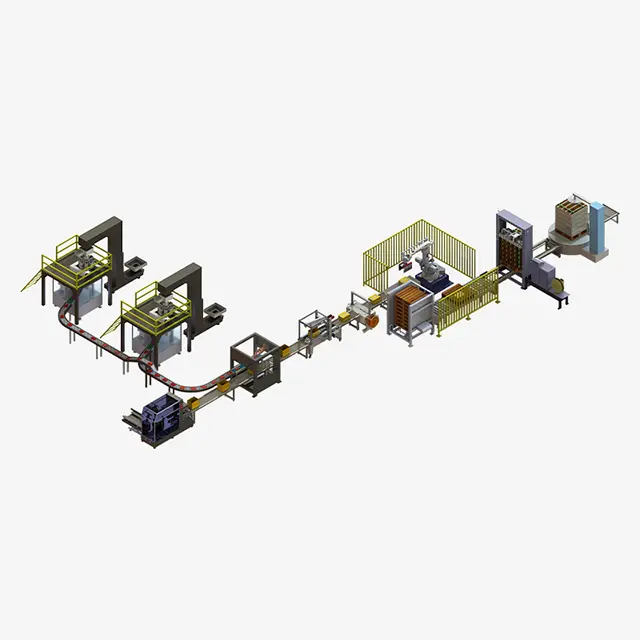
How Do Carton Packing Production Lines Integrate with Industry 4.0 Systems?
This article details the critical transition from purely mechanical packaging to data-driven smart manufacturing. It explores how a modern carton packing production line utilizes Industry 4.0 architecture to achieve seamless machine connectivity, real-time data collection, and deep ERP/MES integration. By reviewing performance benchmarks—such as a 30% reduction in fault response times and a 10–20% increase in OEE—the guide demonstrates why software integration and remote diagnostics are essential for achieving a stable 20–30 cartons/min throughput and eliminating manual reporting errors in high-volume production facilities.
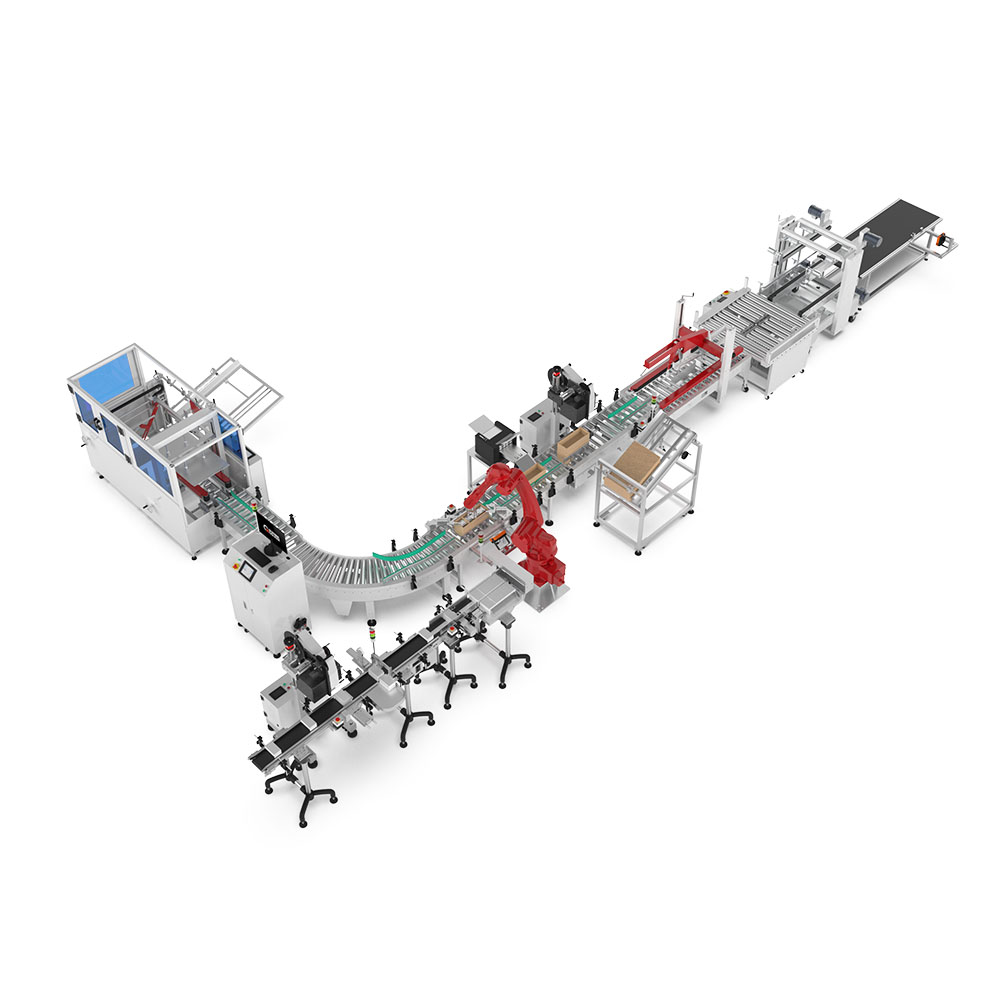
How Do You Choose the Right Carton Packing Production Line for Your Product?
This engineering guide explains how to properly select a carton packing production line by moving beyond raw speed metrics and focusing on five core dimensions: product morphology, case format agility, takt time synchronization, automation scope, and Industry 4.0 integration. Highlighting performance benchmarks across sectors—from FMCG to Pharmaceuticals—the article demonstrates how customized systems cut labor by 50–70%, boost OEE by up to 20%, and reduce changeover times. A detailed case study illustrates how matching equipment to product characteristics yields a rapid 2-year ROI for mid-to-large manufacturers.
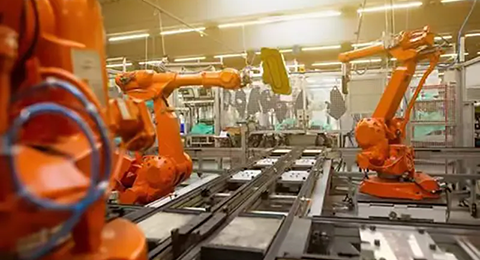
Which Industries Get the Highest ROI from a Carton Packing Production Line?
This article identifies the specific industrial sectors that benefit most from a carton packing production line, focusing on those with high-volume, repetitive SKU structures and multi-shift operations. By analyzing performance data across food, beverage, pharmaceutical, and daily chemical sectors, the guide demonstrates how Industry 4.0 integration reduces labor dependency by 50–70% and boosts OEE by 20%. Through a detailed case study and a comparison of manual vs. automated metrics, it highlights the transition from a labor-heavy bottleneck to a data-driven, high-yield asset with a typical ROI period of 1.5 to 2.5 years.
What Determines the Real Carton Packing Production Line Speed?
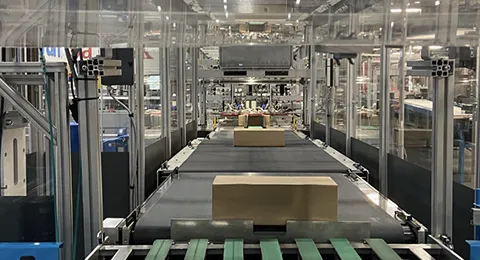
This article explores the technical distinction between peak mechanical RPM and the real-world carton packing production line speed. It emphasizes that true operational efficiency is a result of system synchronization—balancing the rhythm between carton erectors, robotic packers, and end-of-line palletizers. By utilizing Industry 4.0 architecture to reduce micro-stops and shorten changeover times, manufacturers can achieve a stable, high-speed output that far exceeds the performance of disjointed manual or standalone setups. A case study and detailed throughput calculations demonstrate how an integrated line provides the controllable, high-yield asset necessary for modern manufacturing.
Automated vs Manual Carton Packing Line: What is the True ROI?
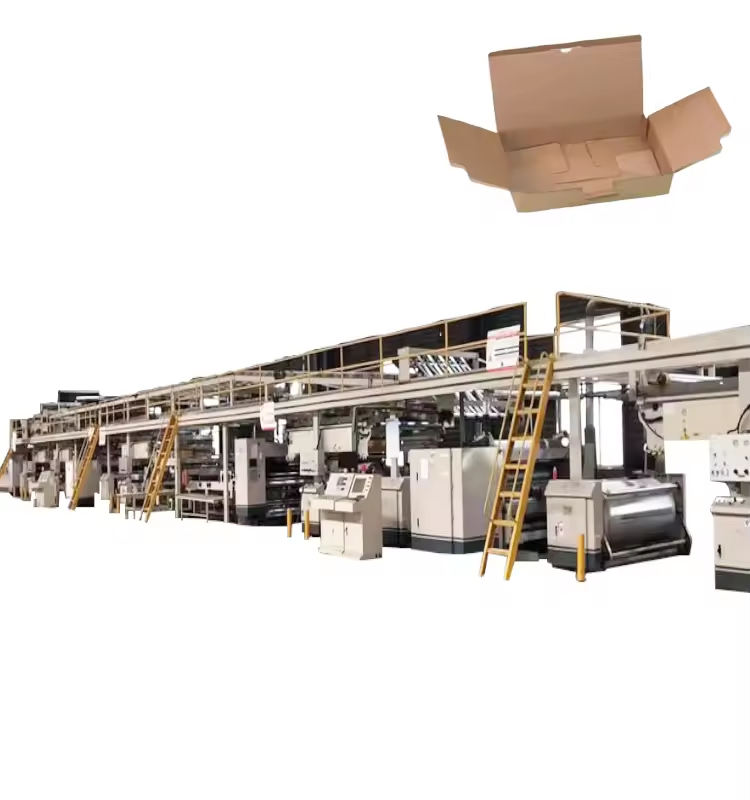
This comprehensive ROI analysis breaks down the financial and operational differences between manual packaging and an automated carton packing production line. By integrating case erecting, robotic loading, and palletizing into a unified Industry 4.0 workflow, manufacturers can eliminate human bottlenecks and achieve an OEE of ~90%. The article details how transitioning from manual labor to technical supervision reduces direct packaging hours by 35–42%, drastically lowers rework costs, and utilizes predictive maintenance to ensure continuous 24/7 output—ultimately delivering a complete return on investment within 1 to 3 years.
How to Choose a High-Efficiency Carton Packing Production Line: An Engineer’s Guide
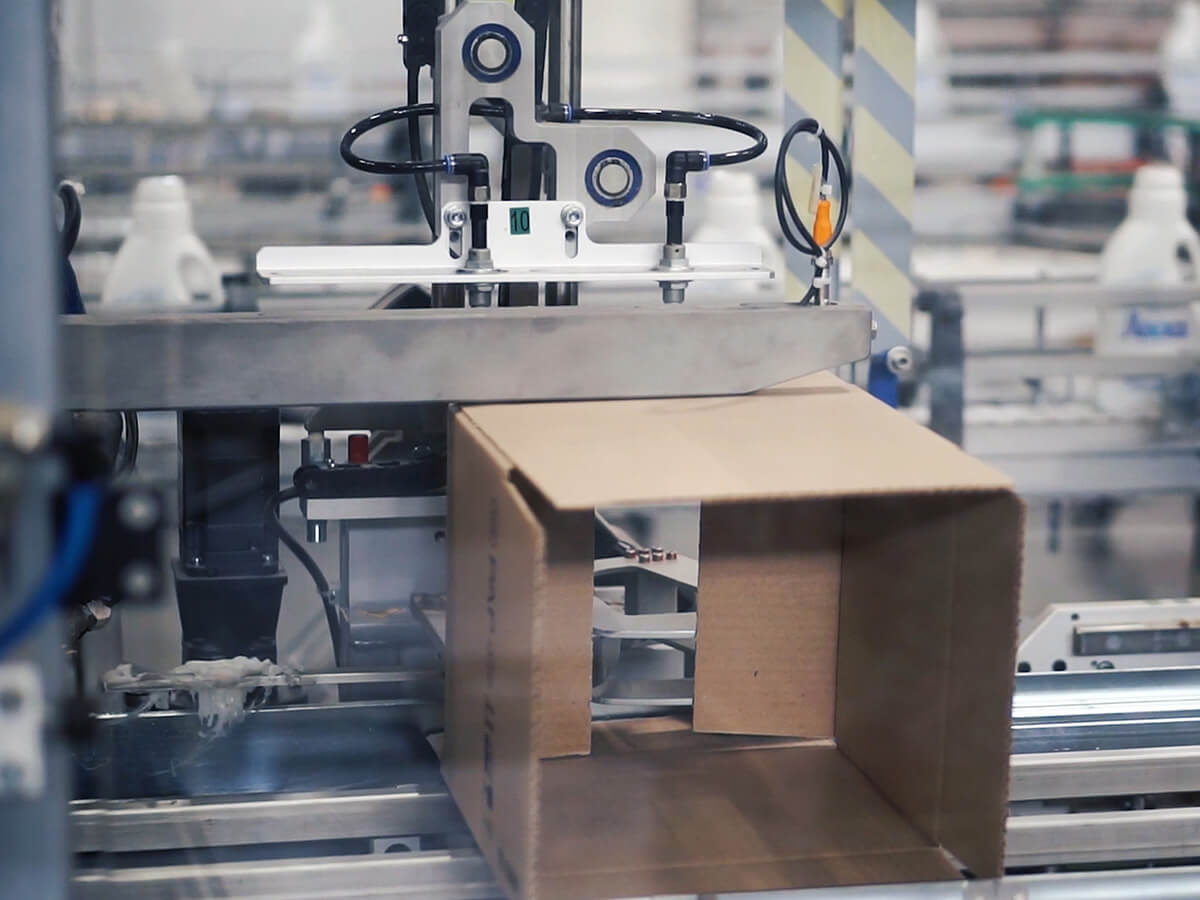
This engineer’s guide outlines the critical criteria for selecting a high-efficiency carton packing production line. Moving beyond simple speed metrics, the article emphasizes the strategic importance of Industry 4.0 readiness, modular flexibility for high-SKU environments, and end-to-end integration with robotic palletizers. By analyzing key data—including a 30% reduction in labor dependency and the advantages of 24/7 continuous run capability—manufacturers can transition from volatile manual packing to a stable, data-driven automated system that secures long-term profitability.
How to Choose a High-Efficiency Carton Packing Production Line?
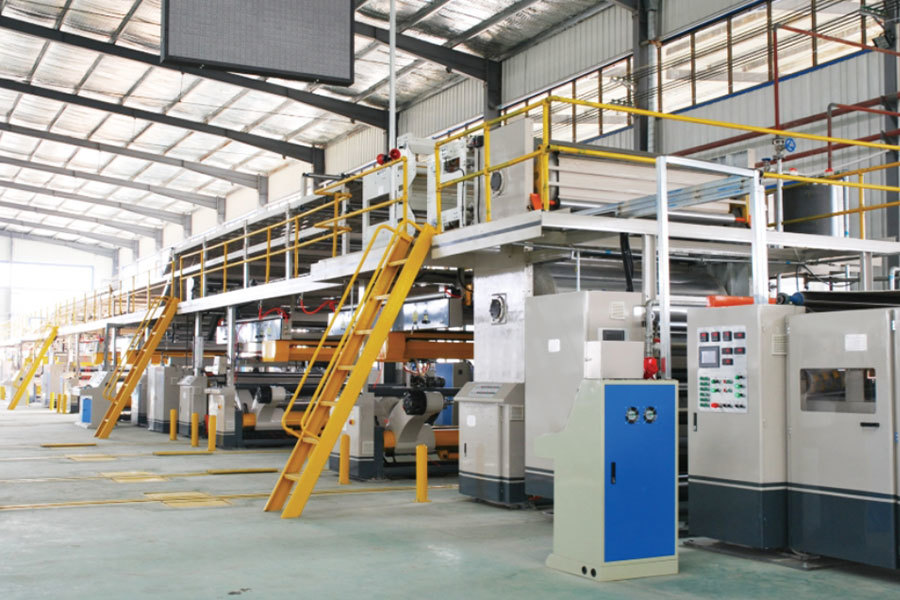
This article provides a comprehensive engineering guide on selecting a high-efficiency carton packing production line. It moves beyond basic speed metrics to emphasize the critical role of Industry 4.0 data connectivity, modular flexibility for rapid SKU changeovers, and seamless end-to-end integration. By examining real-world applications and quantitative benchmarks—such as a 30% reduction in labor dependency and near-perfect material utilization—the guide helps B2B procurement teams make informed, data-driven decisions when transitioning from manual operations to smart, automated packaging solutions.
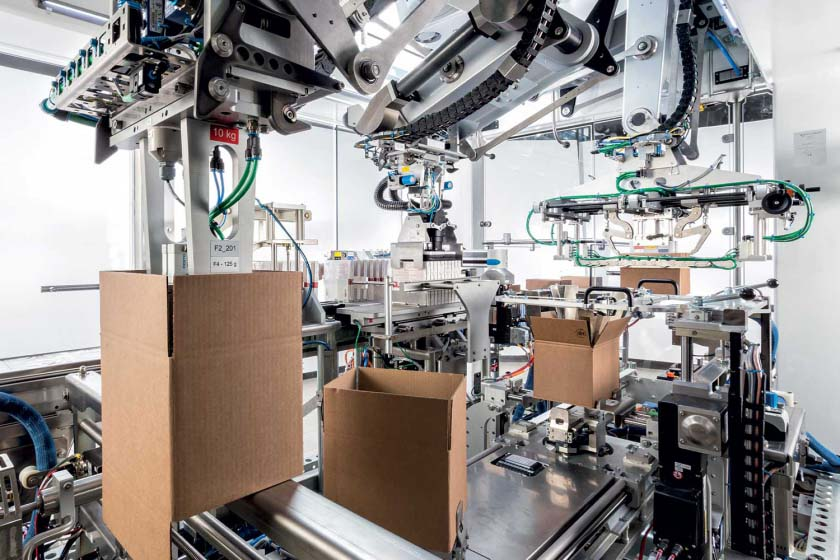
How Do You Choose Between Robot Palletizing and Manual Stacking for Mid‑Size Plants?
Mid-size packaging plants often face a scaling bottleneck at the palletizing stage. This article evaluates robot palletizing against manual stacking, highlighting how Industry 4.0 integration transforms end-of-line operations. By achieving a consistent 10–15 cycles per minute and reducing unplanned stoppages by up to 50%, robotic systems provide the stability and data visibility manual labor cannot sustain. We explore the strategic benefits of predictive maintenance and higher pallet quality, demonstrating a clear path to ROI for growing facilities.
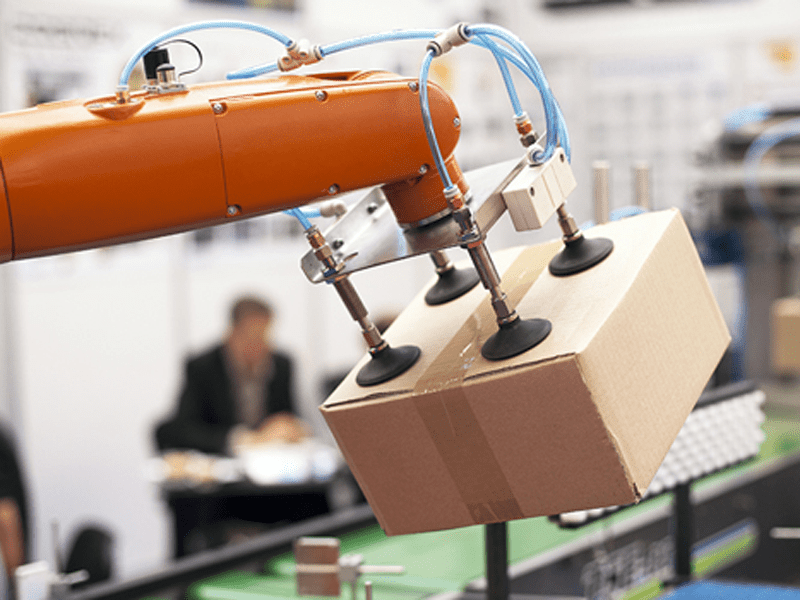
Industry 4.0 Packaging Line vs. Manual: Which Saves More in Long-Term Costs?
For manufacturers looking to scale, the choice between manual labor and an Industry 4.0 packaging line is a choice between operational volatility and long-term stability. While manual setups offer lower upfront costs, they are increasingly vulnerable to rising wages and inconsistent throughput. This analysis details how an integrated Industry 4.0 solution—featuring IoT, robotics, and predictive maintenance—reduces unplanned downtime by up to 50% and maintenance costs by 40%. By stabilizing OEE and eliminating the “hidden tax” of human error, automation provides a predictable, high-yield asset that typically achieves full ROI within 18 to 30 months.
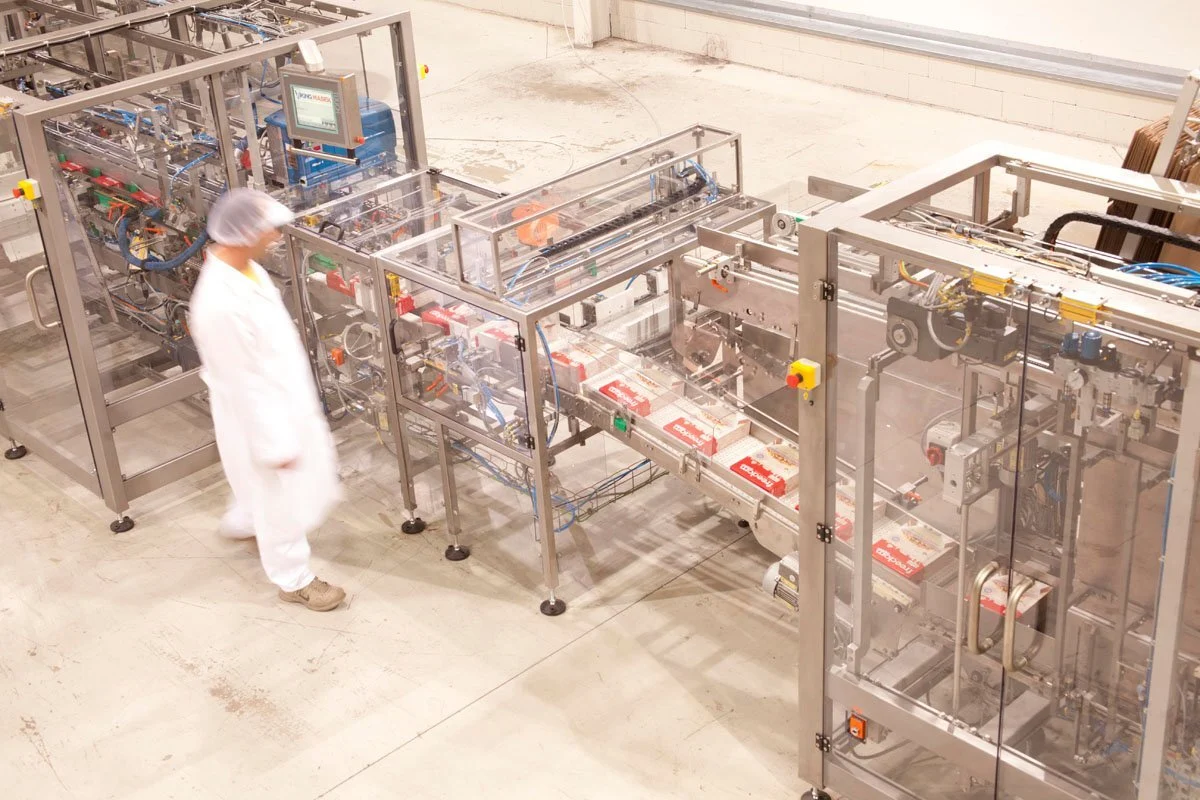
Top 8 Benefits of Implementing Automated Carton Packaging Solutions: Beyond Just Labor Savings
Implementing Automated Carton Packaging Solutions offers advantages far beyond simple labor reduction. This article explores the top 8 benefits, including the elimination of bottlenecks through end-of-line integration, the stability of synchronized takt times, and the precision of inline weighing and inspection. We discuss how Industry 4.0 connectivity provides real-time visibility and predictive maintenance, ultimately transforming volatile manual processes into predictable, high-yield operations.
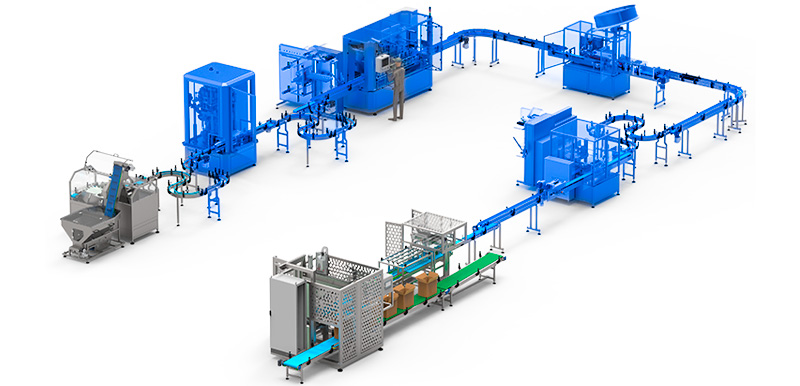
Manual vs. Automated Carton Packing: Which Is More Cost-Effective in the Long Run?
This article provides an in-depth cost-benefit analysis of Manual vs. Automated Carton Packing. While manual methods have lower upfront costs, they suffer from inconsistency and high operational expenses. We explore how Industry 4.0 automated lines—integrating forming, robotic loading, and palletizing—create a coordinated system that reduces rework, lowers labor dependency, and enables predictive maintenance. Real-world data and case studies demonstrate that for scaling manufacturers, automation offers superior long-term cost effectiveness.
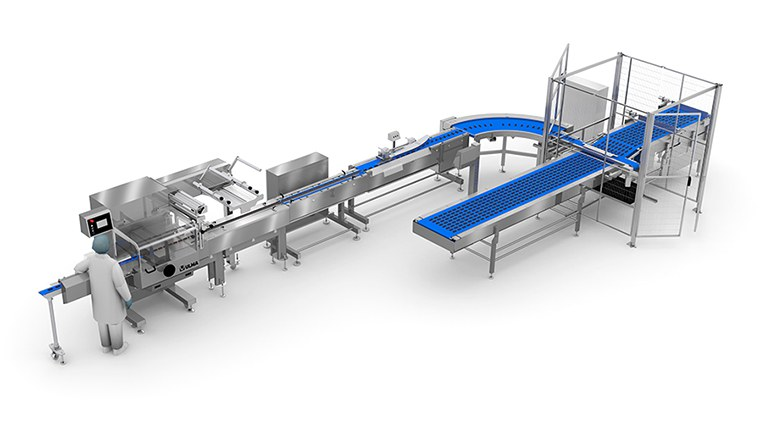
How Do You Maximize Output with an Industry 4.0 Carton Packaging System?
Achieving maximum efficiency in packaging requires more than just high-speed machinery; it demands intelligent system integration. This article outlines the Top 10 Tips for optimizing an Industry 4.0 Carton Packaging System. From synchronizing cycle times across erectors and palletizers to leveraging real-time data for predictive maintenance, we explore actionable strategies to eliminate bottlenecks. Learn how centralized control and automated quality checks can transform your production line into a high-yield, error-free operation.
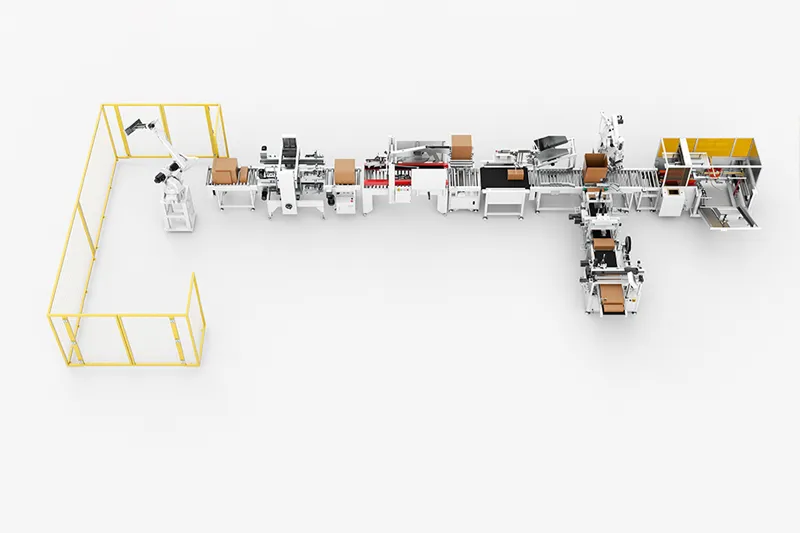
Is a Fully Automated Carton Packing Line Worth the Investment for Small-Scale Manufacturers?
For small and mid-sized manufacturers, inconsistent manual processes are a major bottleneck. This article analyzes the ROI of upgrading to a fully automated carton packing line, which integrates erecting, robotic loading, sealing, and palletizing into a closed-loop system. By leveraging Industry 4.0 data for predictive maintenance, manufacturers can reduce unplanned downtime by 30–50% and lower maintenance costs by 40%, making high-tech automation a viable and stable investment for scaling operations.
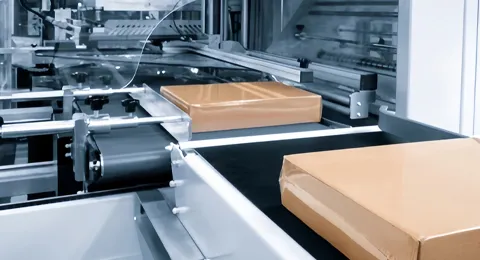
How to Calculate the ROI of an Automated Book Packaging System?
As labor costs rise by 5–8% annually, manual book fulfillment is becoming a financial liability. This article explores the ROI of automated book packaging systems, detailing how Industry 4.0 integration—from heat sealing to robotic palletizing—can increase production efficiency by 40% and improve material utilization to 93%. Through real-world data and case studies, we demonstrate how modular systems reduce changeover times to 15 minutes and provide a sustainable, high-precision solution for modern logistics.
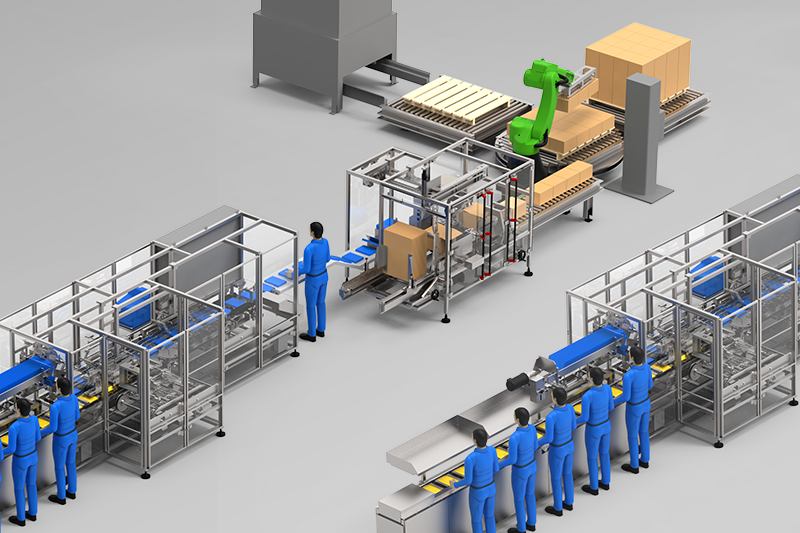
Case Study: How Industry 4.0 Packaging Lines Slash Costs for Joyda’s Food & Beverage Clients
This case study article details how Dongguan Joyda Machinery Co., Ltd. helped juice bottling and cooking oil producers slash packaging costs through turnkey Industry 4.0 solutions. Featuring automated cap-gripping, robotic packing, real-time QR labeling, vision inspection, and palletizing, clients achieved 60-75% labor reductions, near-zero damage/spills, 15-25% less material waste, and ROI in 12-18 months.