“We can’t hire carton packers” is becoming the most common reason a packing line stalls. Unemployment is low, packing is physically repetitive, and every competitor in the industrial park is recruiting the same few people. When a shift goes unfilled, orders back up, promises slip, and the sales team loses deals to rivals who can actually ship. Before you sign a capital project for automation, there are five lower-cost moves that often buy you the time, and the data, to automate well. This article walks the five steps, then shows where automation fits as the real fix.
Automation is the durable answer, but automating blind wastes money. The steps below both relieve the shortage now and tell you exactly what to automate later. They pair naturally with the carton line itself once you’re ready.
What You’ll Learn
- Why packing labor got this hard
- The 5 steps before you automate
- Temporary fix vs root fix
- The real cost of an empty bench
- What automation replaces (and what people do next)
- How JOYDA fits
- Frequently asked questions
- Plan your automation
1. Why Packing Labor Got This Hard
This isn’t a hiring-discipline problem, so hiring harder won’t fix it. Three forces are working against the packing bench. Demographics: fewer young workers enter physically repetitive roles in most industrial economies. Competition: e-commerce warehouses now pay the same people more, with air conditioning. Attrition: packing is a role people leave, so even a full bench leaks. The point isn’t to be gloomy about it. The point is that a strategy built on “find more packers” is fighting the market, while the five steps below work with it.
2. The 5 Steps Before You Automate
2.1 Reshuffle shifts before adding heads
Sometimes the gap is a scheduling problem, not a headcount problem. Stagger start times to match inbound volume, try a compressed four-day pattern, or move a slow task off-peak. You may recover a shift’s worth of output without hiring anyone.
2.2 Outsource the peak, not the base
A contract packer can absorb surge volume you can’t staff, keeping your core line loaded without a permanent hire. Treat it as a bridge, not a strategy: co-packers cost margin every run, and quality control is harder at arm’s length.
2.3 Simplify the carton mix
Fewer carton sizes means less training and faster packing per person. Consolidating SKUs to a smaller box set also shortens changeovers, so each packer gets more done. It is the cheapest productivity gain on this list, and it makes any later automation simpler too.
2.4 Cross-train adjacent roles
Teach line-adjacent staff (machine tenders, QC) to cover packing dips. A cross-trained floor rides out one absence without stopping the line. It also improves quality consistency, because more people understand the standard.
2.5 Measure the labor cost, then model automation ROI
Log the true cost of packing labor: wage, overtime, temp premiums, scrap from tired hands, and the orders lost when short-staffed. That number is the ROI denominator for automation. Only then compare it to a line’s all-in cost (see the buying checklist).
3. Temporary Fix vs Root Fix
| Move | Buys time? | Lasting? |
| Reshuffle shifts | Yes, days to weeks | Partial |
| Outsource peak | Yes, per surge | No, recurring cost |
| Simplify mix | Yes, ongoing | Yes, and it helps automation |
| Cross-train | Yes, per absence | Yes, resilience |
| Automate | Yes, after install | Yes, removes the cliff |
Steps 2.1 to 2.4 relieve the shortage; step 2.5 tells you whether automation pays. Most lines that complete all five end up automating the packing and sealing steps specifically, because those are the ones no staffing trick sustains.
4. The Real Cost of an Empty Bench
An unfilled packing position costs more than its wage line, and quantifying that is what turns “we should automate someday” into an approved project. Count four things for one vacancy: the overtime premium others work to cover it, the temp agency premium, the extra scrap and rework from untrained cover, and the share of expedited freight caused by packing delays. At a typical wage, those add 40-70% on top of base pay.
Then run the ROI. A quick example: a line runs two packing benches, 2 shifts, at $16/hour fully loaded. That is roughly $130,000 a year in packing labor, before the vacancy premiums. An automated pack-and-seal cell that removes about 20 manual hours a day carries an all-in cost around $220,000 after credits and installation. Payback lands near 18-24 months, faster if vacancies are chronic. Your numbers will differ, which is exactly why step 2.5 exists: run yours, then decide.
5. What Automation Replaces (and What People Do Next)
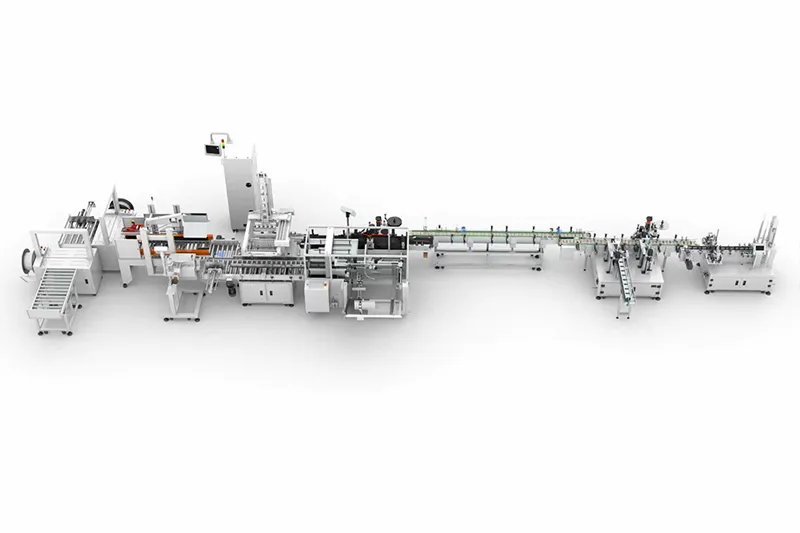
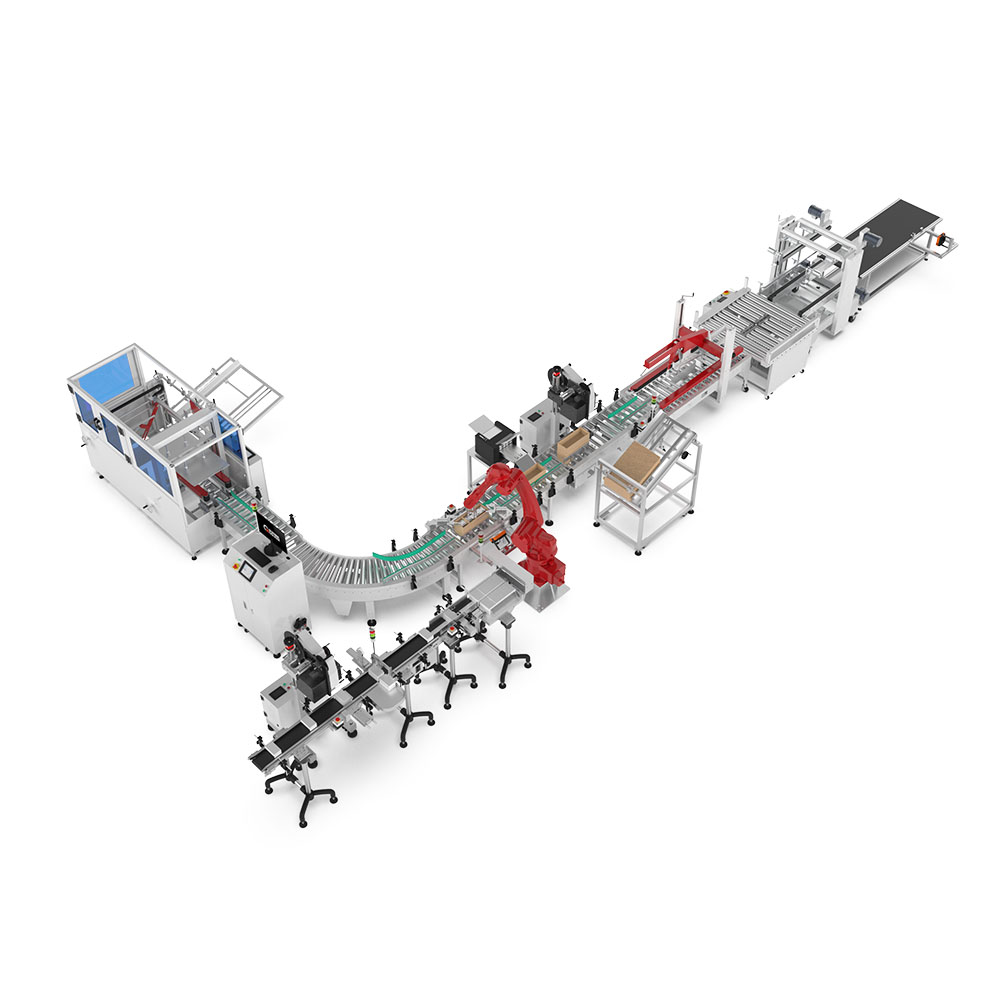
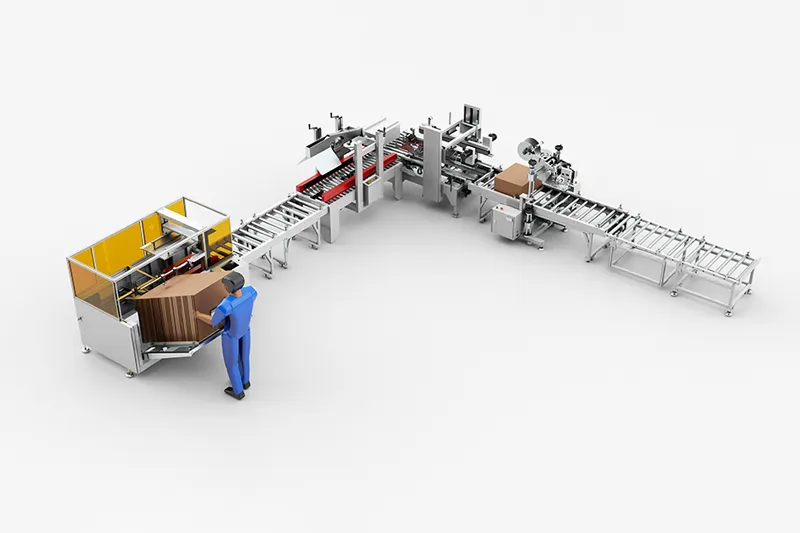
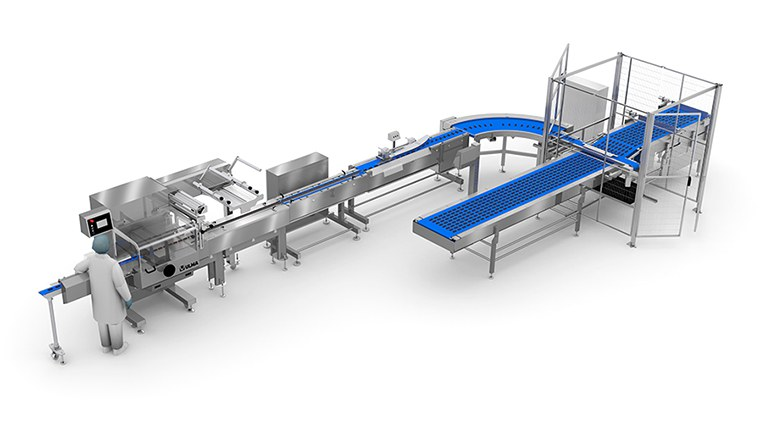
A carton packing line takes the repeatable, people-dependent work off the bench entirely: erecting, packing, sealing, counting, weighing. On a typical line that’s roughly 20 manual packing-hours replaced by one tended, automated cell. The role that remains is a line tender: loading, watching, changeovers. It is a better job, less repetitive and easier on the body, and it’s one you can actually recruit for.
Worth saying plainly: automation here is less about cutting heads and more about stopping the bleeding when heads can’t be found. The packers you do have move up to tending, QC, or changeover work, and your quality stops depending on who showed up. That framing also matters when you talk to your team about the project; “the line runs without a full bench” lands better than “fewer jobs.”
6. How JOYDA Fits
JOYDA lines are built for exactly this moment: when packing labor isn’t available, the line runs without it. Sealing is metered and consistent (no tape-vs-glue staffing debate), counting is inline, and the cell needs one tender, not a bench of packers. Send us your packing-labor cost and volume and we’ll model the hours and cost the line replaces.
7. Frequently Asked Questions
7.1 Should I automate or just pay more to hire?
If raising wages still doesn’t fill the bench, the market has answered for you. Model the automation ROI from step 2.5; often it beats permanent premium wages within a year or two.
7.2 Will outsourcing hurt quality?
It can, if the co-packer doesn’t hold your standard. Use it for surge only and keep your core line controlled. Quality is why consistency matters.
7.3 How many hours does a line really replace?
On a typical carton line, about 20 manual packing-hours shift to one tended cell. We’ll size the exact number from your volume and box mix.
7.4 Can I automate just one step first?
Yes. Many lines start with automated sealing or case packing, then extend. Plan the interfaces early so later modules drop in cleanly; see the integration cost note.
7.5 What about ergonomics and injuries?
Repetitive lifting and folding at a bench is where packing injuries concentrate, and an injured packer is a vacancy plus a claim plus retraining. Removing that from the bench cuts both the human cost and one of the hidden drivers of turnover. Fewer injuries also means fewer of the “we’re short because someone got hurt” mornings.
7.6 Does automation help during peak too?
Directly. Peak is when staffing cliffs hurt most, and an automated cell holds rate when temp labor can’t be found.
7.7 Can JOYDA model my ROI?
Yes. Send your packing-labor cost (wage plus overtime plus temp premium plus scrap) and volume, and we return the hours and payback the line delivers.
8. Plan Your Automation
If you can’t hire carton packers, send JOYDA your packing-labor cost and daily carton volume. We’ll run the five steps with you, model the hours and payback a carton packing line replaces, and scope a line that removes the staffing cliff for good. Contact our engineers here to start.